Sandro was a boy who loved to sing rap, to kiss, to stare the statue of Christ the Redeemer and dreamed to go visit Copacabana. Growing up on streets, the story culminates at the infamous episode of 12th June 2000, when Sandro hijacked bus 174.
No description available.
1998
The true story of João Guilherme Estrella ("Johnny"), a young middle-class bon vivant who became a big-time cocaine dealer in Rio de Janeiro in the early 1990s.
2008
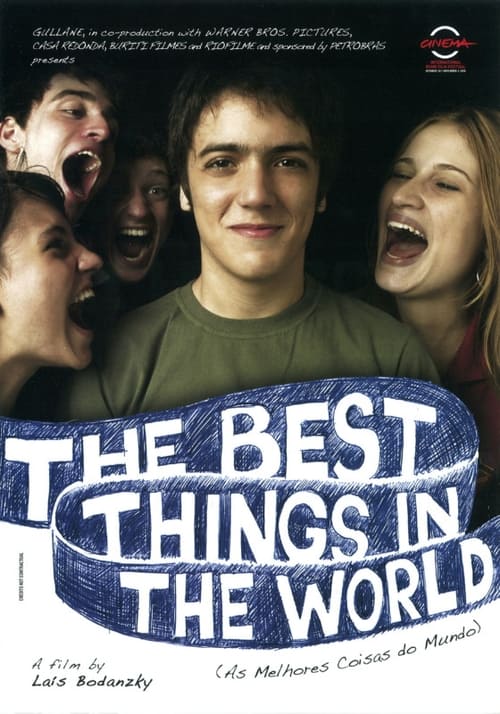
Everyday family life as perfectly normal madness. “As Melhores Coisas do Mundo“ follows a few days in the life of the 15-year-old Mano, who is fighting on two fronts: his parents have just got divorced and he is going through puberty. Mano tries to make his way through life, with its first sexual experiences, his depressed brother and his self-centered parents. It’s a humorous homage to the pitfalls of daily life and the diversity of life.
2010
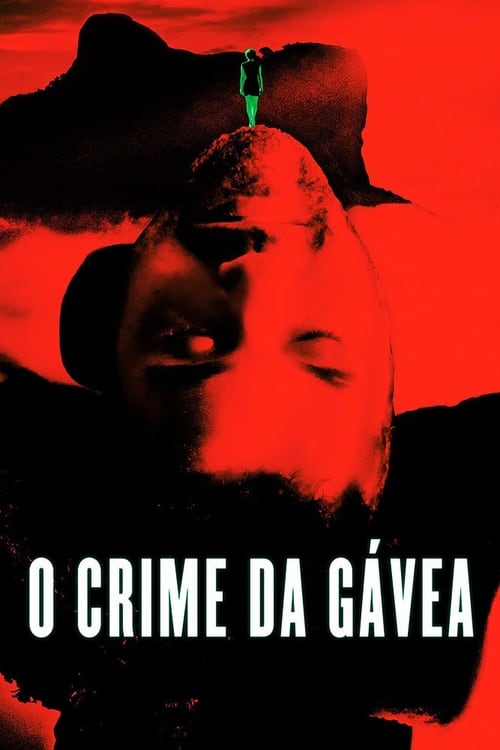
Paulo (Ricardo Duque), a film editor, arrives at home and find his wife murdered. While the police investigates the crime, Paulo begin his own quest to find the criminal.
2017
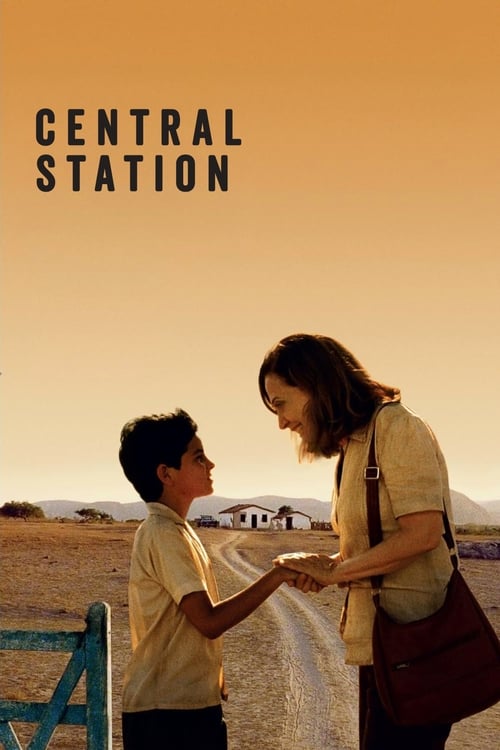
An emotional journey of a former school teacher, who writes letters for illiterate people, and a young boy, whose mother has just died, as they search for the father he never knew.
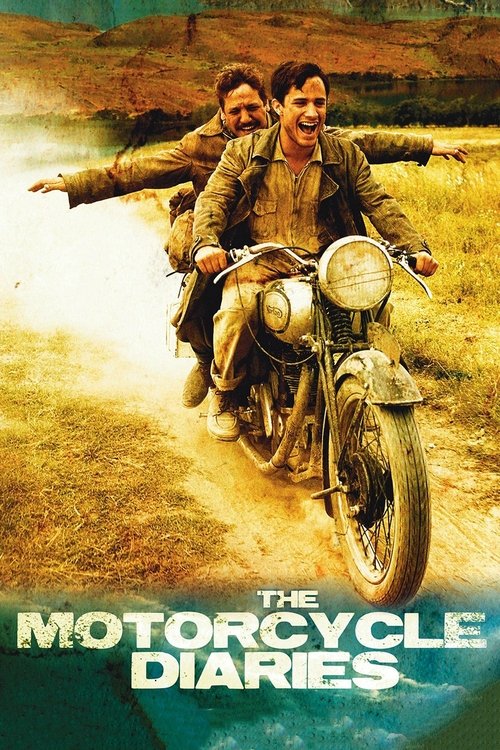
Based on the journals of Che Guevara, leader of the Cuban Revolution. In his memoirs, Guevara recounts adventures he and best friend Alberto Granado had while crossing South America by motorcycle in the early 1950s.
2004
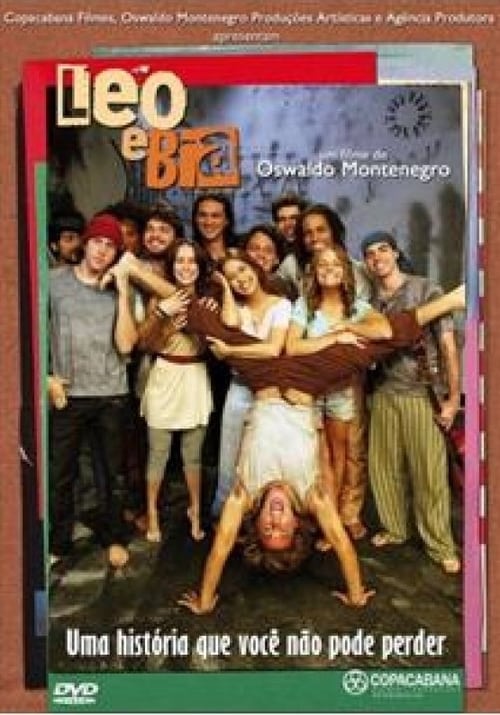
Brasilia, 1973. At the height of the military dictatorship, seven friends, young as the city in which they live, dream of living in theater. Led by director Léo, the group carries out the rehearsals of a play that weaves comparisons between Jesus Christ and the cangaceiro Lampião. While political repression runs wild in the federal capital and sexual freedom is still taboo, Bia is increasingly being held prisoner by her mother's obsession, causing everyone to increasingly question the concepts and values of society.
In Rio de Janeiro, the forty and something years old Mercedes (Lília Cabral) goes to the psychoanalyst and tells the story of her life since she was a girl and lost her mother. Along the three years of analysis, her life changes and she divorces from her husband Gustavo (José Mayer) and has love affairs with the younger Theo (Reynaldo Gianecchini)
2009
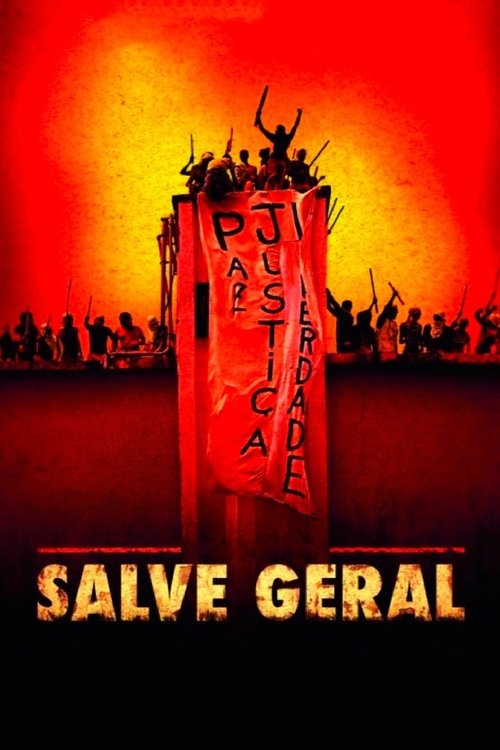
Year 2006. There are riots in São Paulo. In the middle of the violent situation, widow Lucia is trying to get her young son Rafael from prison.
After going through a hiring process for a company based on São Paulo, Daniel, that came from another city, now needs to deliver them some important documents. However, he is blocked from the entrance because he is wearing shorts.
2018
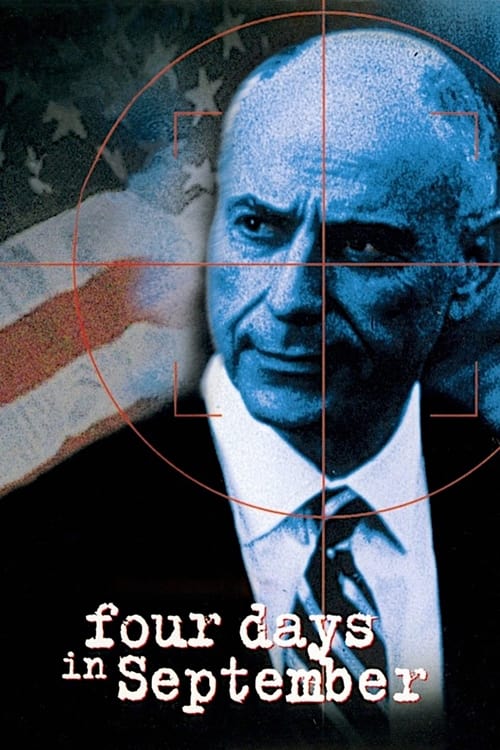
Fernando, a journalist, and his friend César join terrorist group MR8 in order to fight Brazilian dictatorial regime during the late sixties. César, however, is wounded and captured during a bank hold up. Fernando then decides to kidnap the American ambassador in Brazil and ask for the release of fifteen political prisoners in exchange for his life.
1997
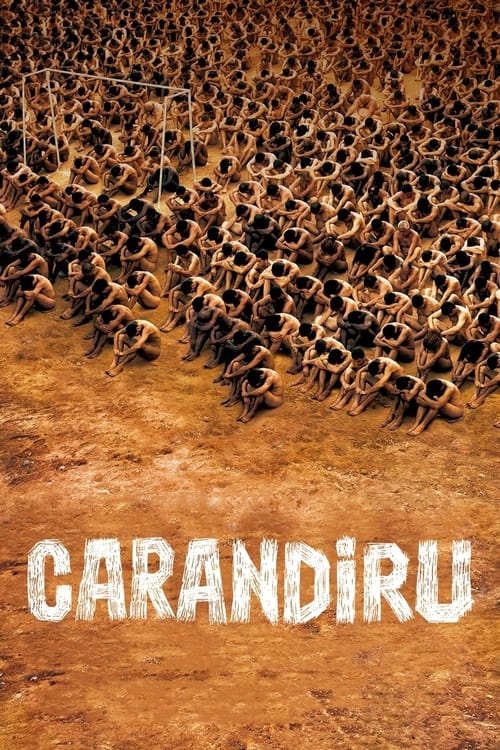
When a doctor decides to carry out an AIDS prevention program inside Latin America’s largest prison: the Casa de Detenção de São Paulo - Carandiru, he meets the future victims of one of the darkest days in Brazilian History when the State of São Paulo’s Military Police, with the excuse for law enforcement, shot to death 111 people. Based on real facts and on the book written by Dráuzio Varella.
2003
Two teenagers decide to attend attend São Paulo's annual Gay Pride Parade, encouraged by one of their uncles, a successful - although closeted - business executive. After witnessing an incident of shocking violence at the parade, the group makes a pact - they all have one year to come out of the closet.
2014
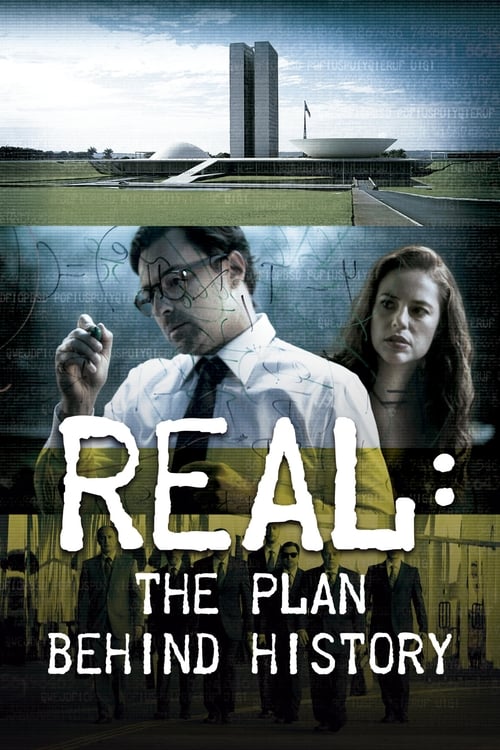
In May 1993, Brazil experienced one of the worst economic crises in its history. The government then decides to set up a real task force to solve the problem. Confined to a bunker as a way of shielding the operations of growing political pressures, the special economic team will have to do its best to reach agreement and create the Plano Real.
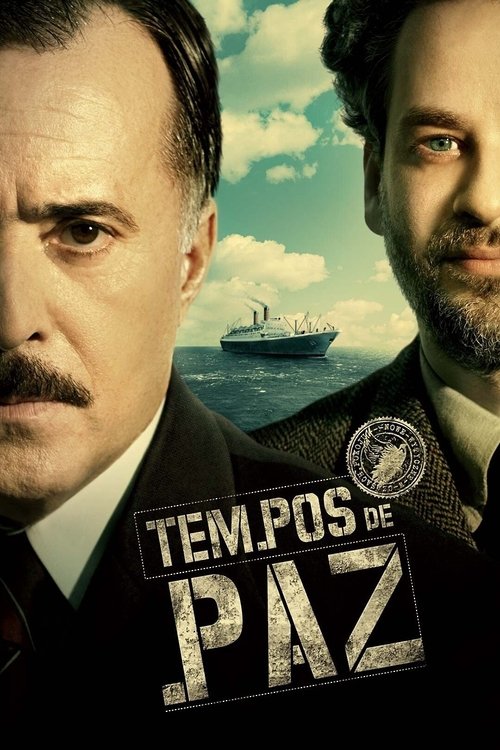
Rio de Janeiro, April 18, 1945. Brazil's foreign policy aligns closely with that of the United States and opens a brief period of democratic rule after the end of World War 2. For years, hundreds of people were arrested and tortured by the Vargas regime. But with the external pressure, several political prisoners gain freedom.
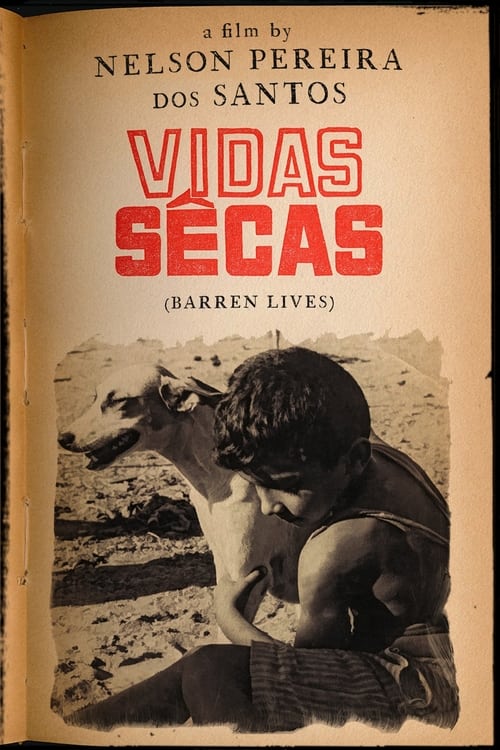
In vivid images, the documentary-like story of a drover and his family in the northern badlands of Brazil during the drought. A family in the search of new hope and destiny.
1963