Recounts the chilling events leading up to the emergence of the deadly Ebola virus. Shot on location in Africa, Europe and North America, and features interviews with Ebola survivors.
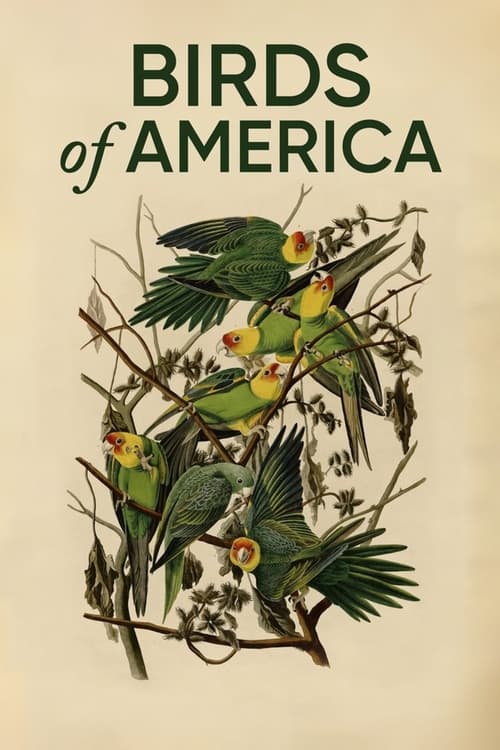
In the first half of the 19th century, the French ornithologist Jean-Jacques Audubon travelled to America to depict birdlife along the Mississippi River. Audubon was also a gifted painter. His life’s work in the form of the classic book ‘Birds of America’ is an invaluable documentation of both extinct species and an entire world of imagination. During the same period, early industrialisation and the expulsion of indigenous peoples was in full swing. The gorgeous film traces Audubon’s path around the South today. The displaced people’s descendants welcome us and retell history, while the deserted vistas of heavy industry stretch across the horizon. The magnificent, broad images in Jacques Loeuille’s atmospheric, modern adventure reminds us at the same time how little - and yet how much - is left of the nature that Audubon travelled around in. His paintings of the colourful birdlife of the South still belong to the most beautiful things you can imagine.
2022
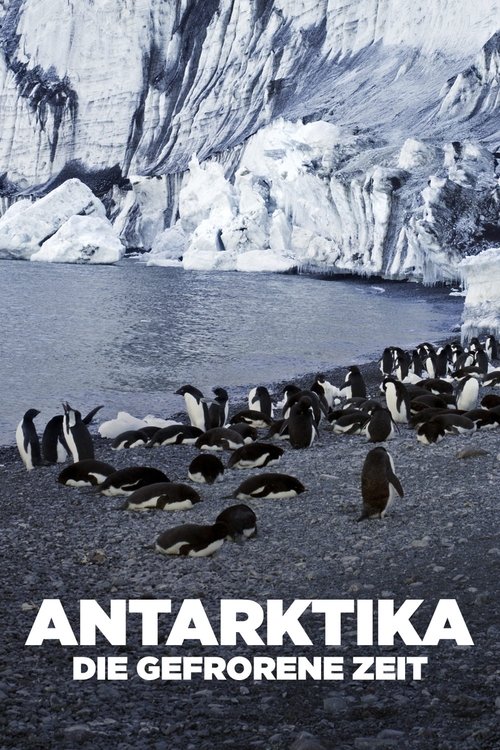
The bleakness of Antarctica is a fallacy. The ice continent is full of life and offers a biodiversity of which only about two percent are known. Much of it is under water and could determine the future of human beings. When the northern lights cover the ice landscape in summer, the animals in the Antarctic are in a paradisiacal state. Whales blow their fountains in the sky, penguins fly like small rockets into the water, seals dive for crabs under the glittering ice floes. From the bay of the Ross Sea to the ice shelf, from the huge penguin colonies to steaming volcanoes, a life in rhythm with the ice. But the consequences of climate change are slowly becoming apparent here too. While some species are dying, others are spreading. They could bring new viruses and bacteria with them, and new dangers for humans too. The structure of nature has gotten off course. How many generations will still be able to experience the magic of Antarctica?
2021
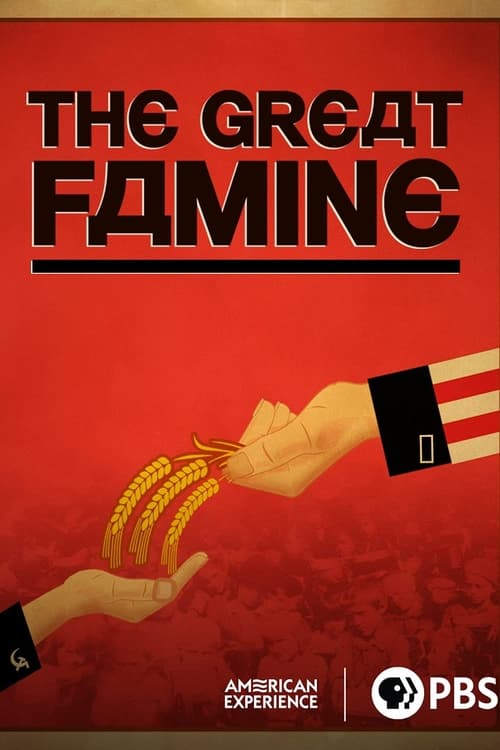
When a devastating famine descended on Soviet Russia in 1921, it was the worst natural disaster in Europe since the Black Plague in the Middle Ages. Examine Herbert Hoover’s American Relief Administration—an operation hailed for its efficiency, grit and generosity. By the summer of 1922, American kitchens were feeding nearly 11 million Soviet citizens a day.
2011
A group of young architects, confined to a forest in Barcelona during the COVID crisis, explore the problems generated by the ambition of wanting to be completely self-sufficient.
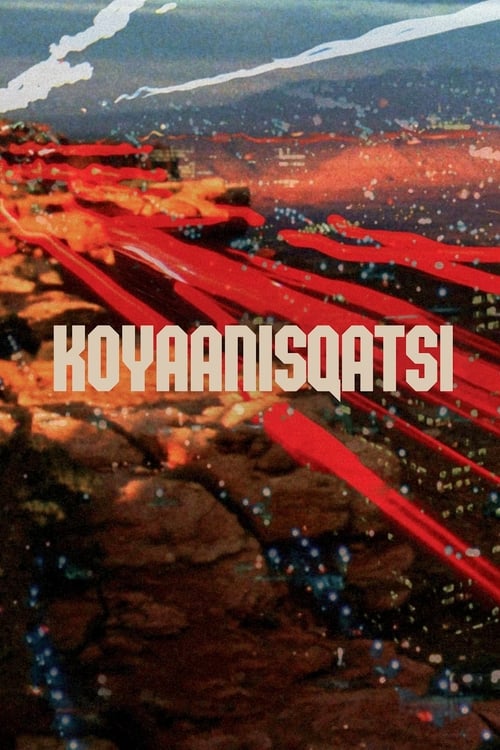
Takes us to locations all around the US and shows us the heavy toll that modern technology is having on humans and the earth. The visual tone poem contains neither dialogue nor a vocalized narration: its tone is set by the juxtaposition of images and the exceptional music by Philip Glass.
1983
Marina Carrère d'Encausse lifts the veil on the intimate questions that preoccupy her as well as society at large: those related to the end of life. The doctor-journalist introduces Antoine, her partner, who is suffering from Charcot's disease, an incurable illness, and who wishes to choose how he ends his life. Is the current law in France sufficient? Should it simply be better enforced, allowing better access to palliative care? Should assisted suicide and euthanasia be legalized? Marina meets with patients concerned about the end of life, caregivers, and politicians in France, as well as in Belgium, Switzerland, and Canada, countries where euthanasia and assisted suicide are legal.
2023
Malaika Vaz follows the illegal manta ray trade pipeline from fishing vessels in the Indian Ocean, to the Indo-Myanmar border and finally undercover in the wildlife trafficking hubs of Hong Kong and Guangzhou.
2020
Offshore wind farms are a major player in the move away from fossil fuels, especially in the North Sea, and they are increasing in number. But their impact on the environment is not yet clear: We take a look at ongoing research in Europe that is measuring the impact of wind turbines and their harm, or benefit, to biodiversity in our seas.
2024
A documentary on Al Gore's campaign to make the issue of global warming a recognized problem worldwide.
2006
Faced with a traumatic injury that renders you permanently disabled; how would you reinvent yourself? Full Circle tells the story of Trevor Kennison and Barry Corbet’s shared resiliency and refusal to let their passion for life be limited by Spinal Cord Injury. It is an unblinking examination of the challenges of Spinal Cord Injury, and a celebration of the growth that such tragedy can catalyze.
In June 2010, French actress Marion Cotillard spent a week in the heart of the tropical forests of the Democratic Republic of Congo with members of Greenpeace France and Greenpeace Africa. She delivers in video a strong testimony on the looting of Congolese forests which benefits a few industrial groups, often European.
2010
Unconventional portrayal of mining in the Swedish Lapland ore fields, a powerful image and sound symphony that can be experienced both as a documentary and symbolic work.
1963
Set to readings of Thomas Mann's 'The Magic Mountain', a collage of medical, art and found footage, exploring various medical cases, including reconstructing the damaged human body, the separation of Siamese twins, and Cold War era attempts to create superhumans.
1993
Coffee is the second most important commodity in the world after oil. The drink has a long history and what's more, its effect seems to be stimulating in two senses.
Narrator and director Michael Schaap's confessional style and general goofiness bring levity to an awkward topic: "erectile dysfunction" and the little blue pill that treats it.
No description available.