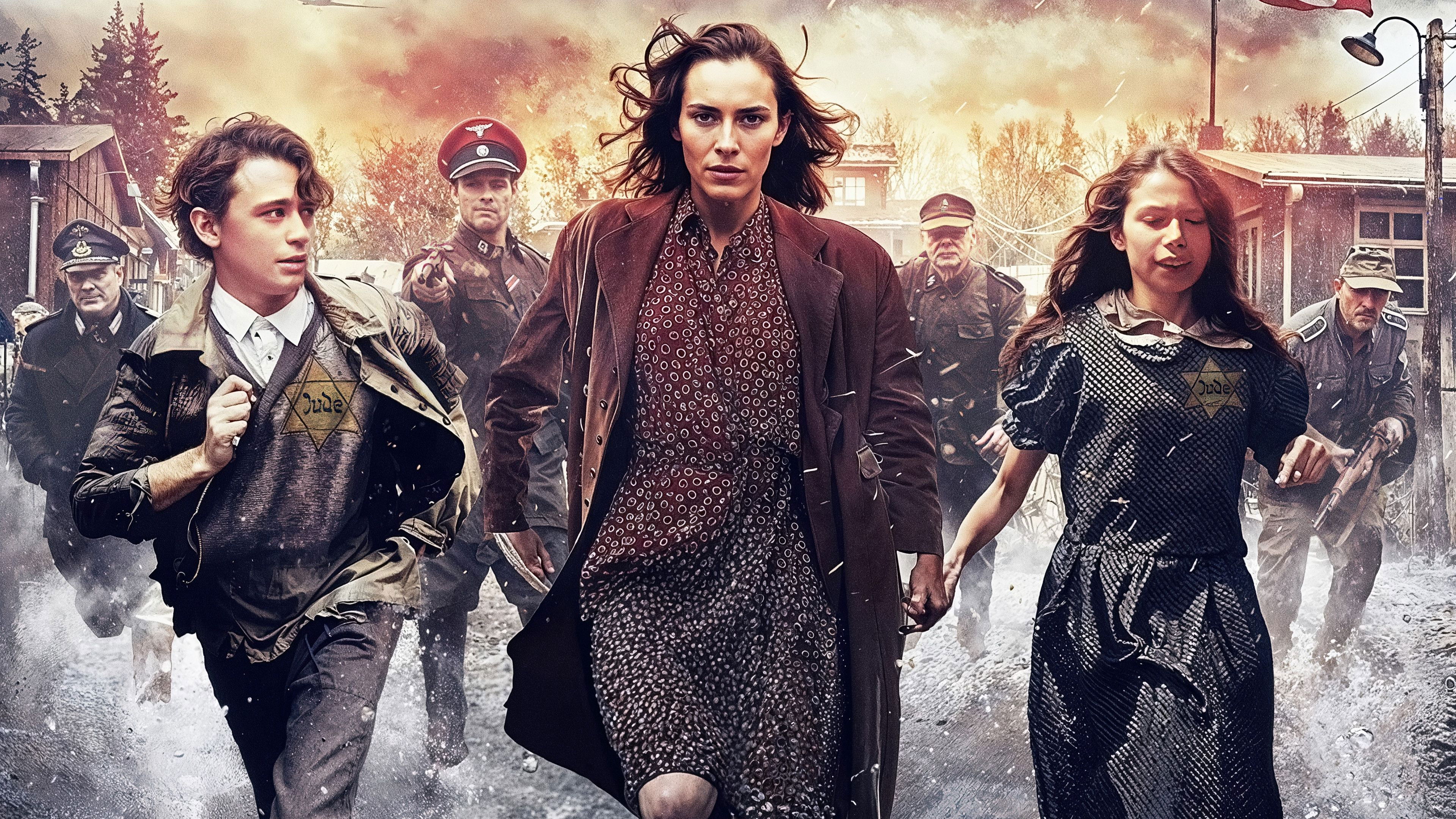
Stuttgart, 1942: Nazis have cleared Jewish communities from towns and Villages. Two German-born Jewish children flee Nazis who have killed their family, escorted by Gisella, part of the Lebensborn, an SS Master Race program.
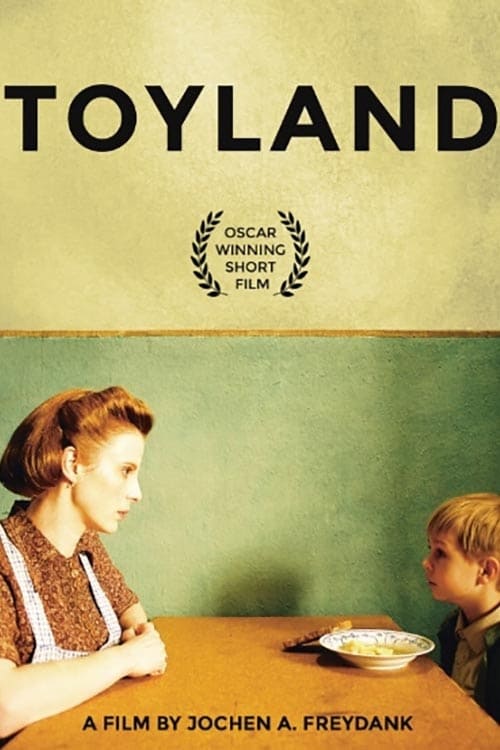
On a winter morning, a mother goes to waken her son Heinrich; his bed is empty. She leaves her flat to find him. The neighbors' door, with a Star of David painted on it, is ajar, the furnishings in disarray, the family gone. She asks passersby, runs to the police then on to the rail yard. Flashbacks show that Heinrich and the neighbors' son Paul are six years old and best friends. Paul's family's deportation is expected soon; Heinrich's mother tells her son that they're going to Toyland. Heinrich wants to go with them, has a bag packed, and listens for their departure. His mother realizes he's joined them, and her resolve becomes more urgent. Will she arrive in time to save Heinrich?
2007
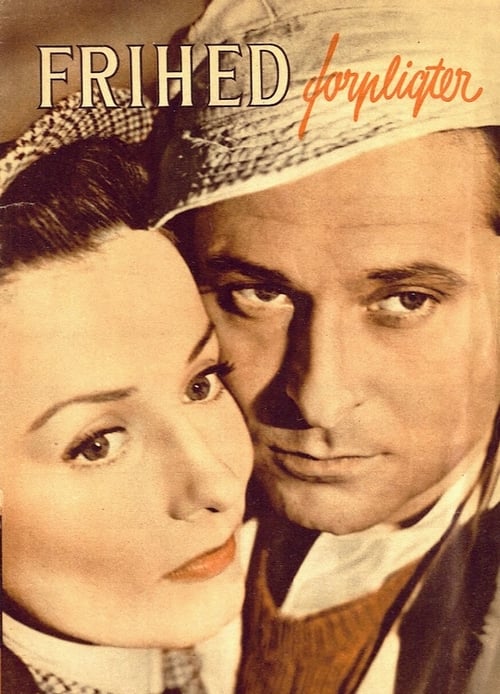
Danish social democratic propaganda film. During the Occupation, the young freedom fighter Søren had a good working relationship with a comrade in the resistance movement, despite the fact that Søren was a social democrat and his comrade a communist. After the liberation in May 1945, the differences that had been less important during the war begin to stand in Søren's way. Both his friendship with his comrade and his relationship with the wealthy Inger fall apart in the summer of liberation. But through his work in the Social Democratic Party, Søren experiences a renewed enthusiasm and resumes his relationship with Inger. Together, they actively engage in the party's work and both see it as an extension of the struggle for freedom during the occupation. Denmark's entry into NATO is particularly important.
1951
The story of British serial killer John Christie, who committed most or all of his crimes in the titular terraced house, and the miscarriage of justice involving Timothy Evans.
1971
Sir Walter Scott's classic story of the chivalrous Ivanhoe who joins with Robin of Locksley in the fight against Prince John and for the return of King Richard the Lionheart.
1952
The theatre play is set in the late Heian (794–1185) and early Kamakura period (1185–1333) in Japan. The main character is young adult Minamoto no Yoshitsune, from the Minamoto clan. Like previous chapters, it is a historical fiction, a world with supernatural powers and spirits (Mononokes). The idea was to create a story where the Oni (Japanese demons) were the origin of vampires, and eventually of the central character.[19] In the Heian period existed those called as Mononoke (spirits), and Mononofu, who were born between humans and Mononoke, and with special powers dominated both Mononoke and humans. The story from Mysteries of Yoshitsune spreads out when the member with inherited blood crossed over to Europe, and became the progenitor of the later vampires.
2012
In 1943 Malmö, 15-year-old Stig is attracted to his teacher Viola, 22 years his senior, who, drawn to his youth and innocence, believes the lad is a God-sent relief from her miserable marriage to a drunken, unfaithful lout.
1995
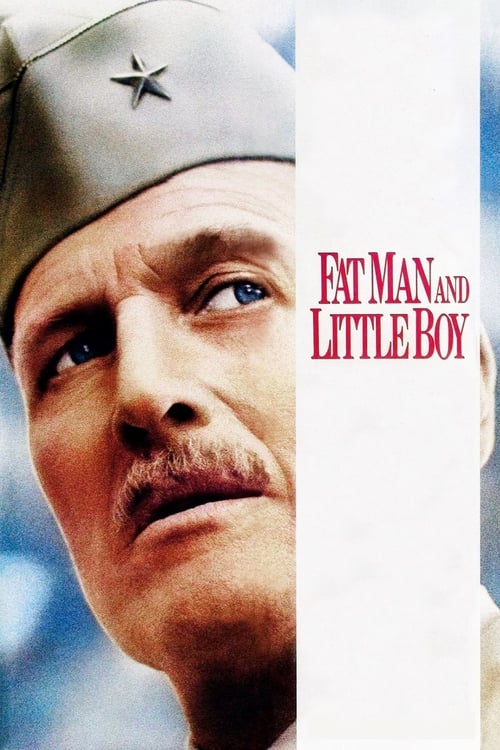
Assigned to oversee the development of the atomic bomb, Gen. Leslie Groves is a stern military man determined to have the project go according to plan. He selects J. Robert Oppenheimer as the key scientist on the top-secret operation, but the two men clash fiercely on a number of issues. Despite their frequent conflicts, Groves and Oppenheimer ultimately push ahead with two bomb designs — the bigger "Fat Man" and the more streamlined "Little Boy."
1989
Bored socialite Florence Pancho Barnes decides to learn to fly.
1988
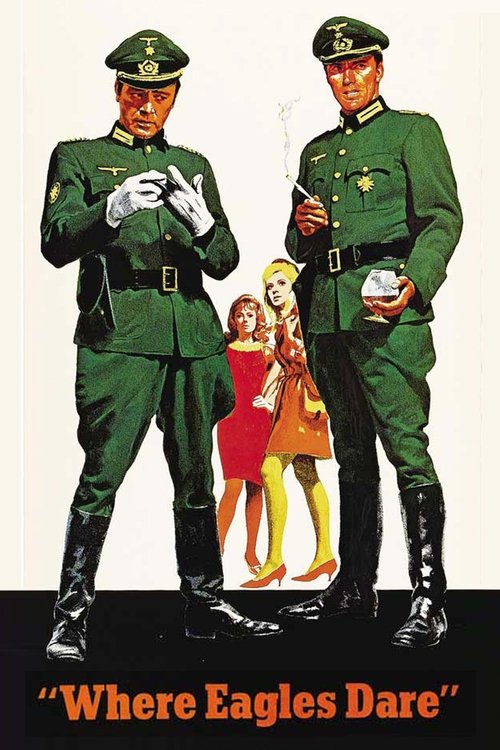
World War II is raging, and an American general has been captured and is being held hostage in the Schloss Adler, a Bavarian castle that's nearly impossible to breach. It's up to a group of skilled Allied soldiers to liberate the general before it's too late.
1968
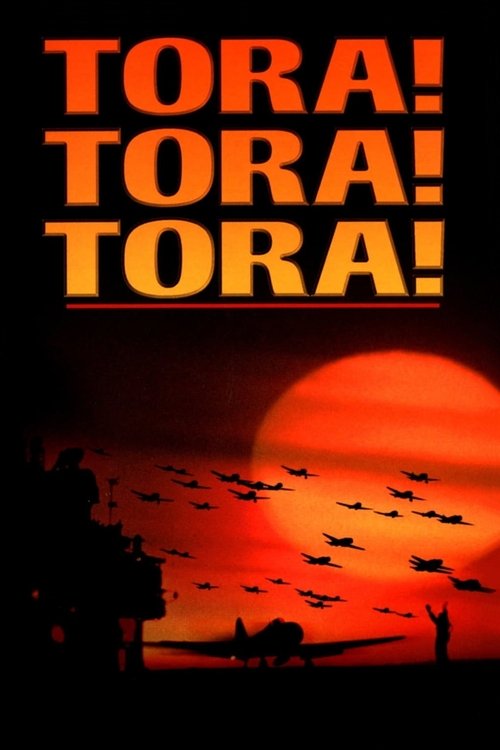
In the summer of 1941, the United States and Japan seem on the brink of war after constant embargos and failed diplomacy come to no end. "Tora! Tora! Tora!", named after the code words used by the lead Japanese pilot to indicate they had surprised the Americans, covers the days leading up to the attack on Pearl Harbor, which plunged America into the Second World War.
1970
Robin Hood fights nobly for justice against the evil Sir Guy of Gisbourne while striving to win the hand of the beautiful Maid Marian.
1938
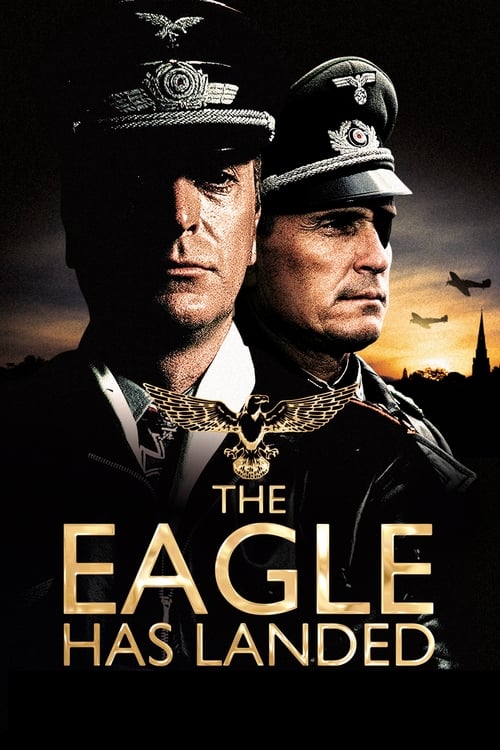
When the Nazi high command learns in late 1943 that Winston Churchill will be spending time at a country estate in Norfolk, it hatches an audacious scheme to kidnap the prime minister and spirit him to Germany for enforced negotiations with Hitler.
1976
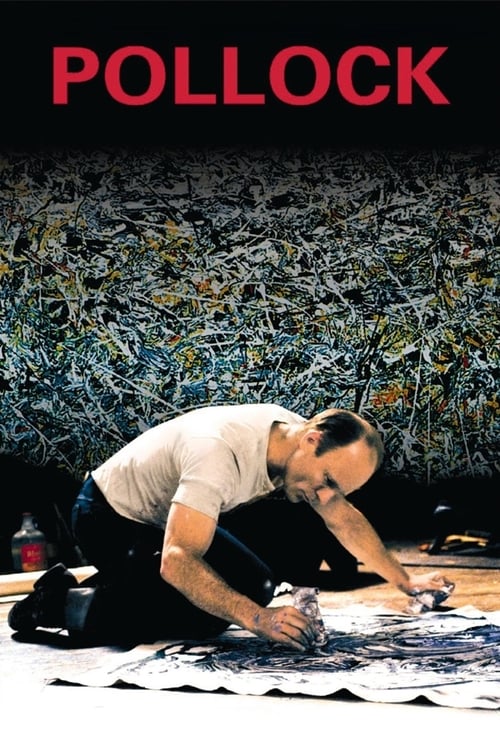
In August of 1949, Life Magazine ran a banner headline that begged the question: "Jackson Pollock: Is he the greatest living painter in the United States?" The film is a look back into the life of an extraordinary man, a man who has fittingly been called "an artist dedicated to concealment, a celebrity who nobody knew." As he struggled with self-doubt, engaging in a lonely tug-of-war between needing to express himself and wanting to shut the world out, Pollock began a downward spiral.
2000
A sumptuous and sensual tale of intrigue, romance and betrayal set against the backdrop of a defining moment in European history: two beautiful sisters, Anne and Mary Boleyn, driven by their family's blind ambition, compete for the love of the handsome and passionate King Henry VIII.
2008
A film and novel of romance, drama, and strength. A story that highlights the beauty of Caribbean culture and tells the story of every Caribbean migrant.
2022
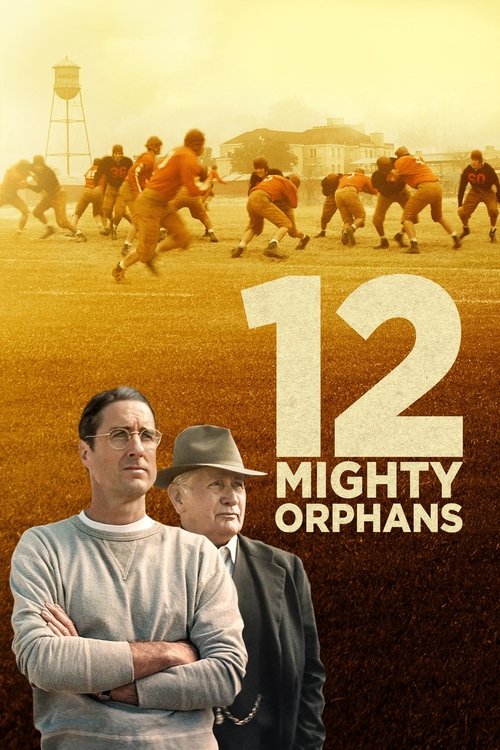
Haunted by his mysterious past, a devoted high school football coach leads a scrawny team of orphans to the state championship during the Great Depression and inspires a broken nation along the way.
2021