In the summer of 1989, the 13th edition of the World Festival of Youth and Students was held in Pyongyang. Thousands of socialist youth from 177 countries celebrated their belief in a better society and international solidarity.
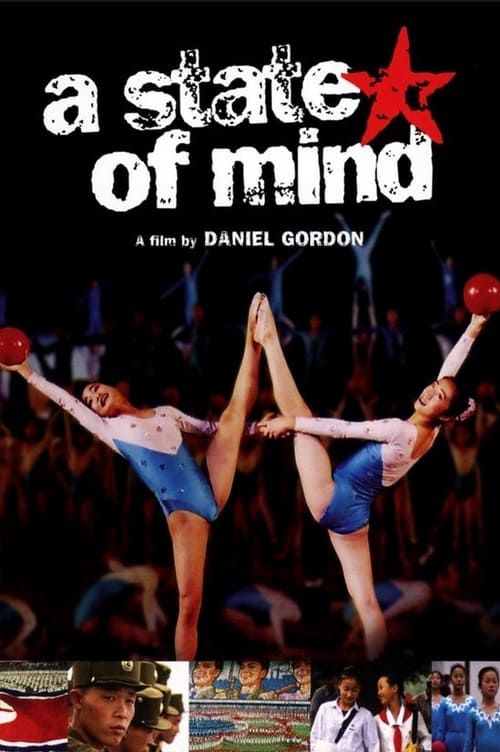
Two young North Korean gymnasts prepare for an unprecedented competition in this documentary that offers a rare look into the communist society and the daily lives of North Korean families. For more than eight months, film crews follow 13-year-old Pak Hyon Sun and 11-year-old Kim Song Yun and their families as the girls train for the Mass Games, a spectacular nationalist celebration.
2005
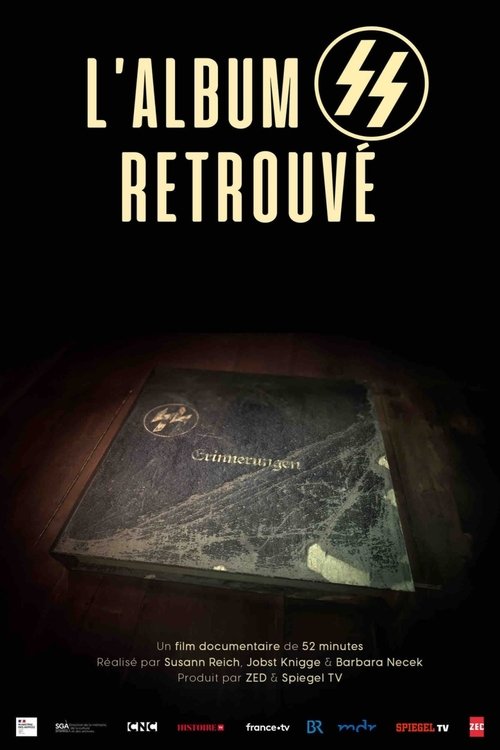
In 2016, an album containing 250 previously unseen photos of Nazi officials was discovered in the USA by Stephan Hördler, a prominent Holocaust historian, who immediately understood the album's inestimable value. The album brings together photographs of a "group of friends," all from the same region of Germany, all of whom became SS men. From 1928 to 1943, the photo album allows us to follow their journey. Hördler conducted the investigation, comparing the photos in the album with other, better-known ones, the faces of these men with those of concentration camp officials, and ultimately revealed that it was at Lichtencburg that these young men were trained, a "school" for future camp executioners, and the bonds of camaraderie and informal network that would allow them to help each other, even after the war.
2025
This is a 25-minutes piece about the DPRK (North Korea), a country Vltchek visited and fell in love with. Vltchek goes against the hegemonic western propaganda that is perpetuated towards DPRK and their people, showing the beauty that resides in the country.
2018
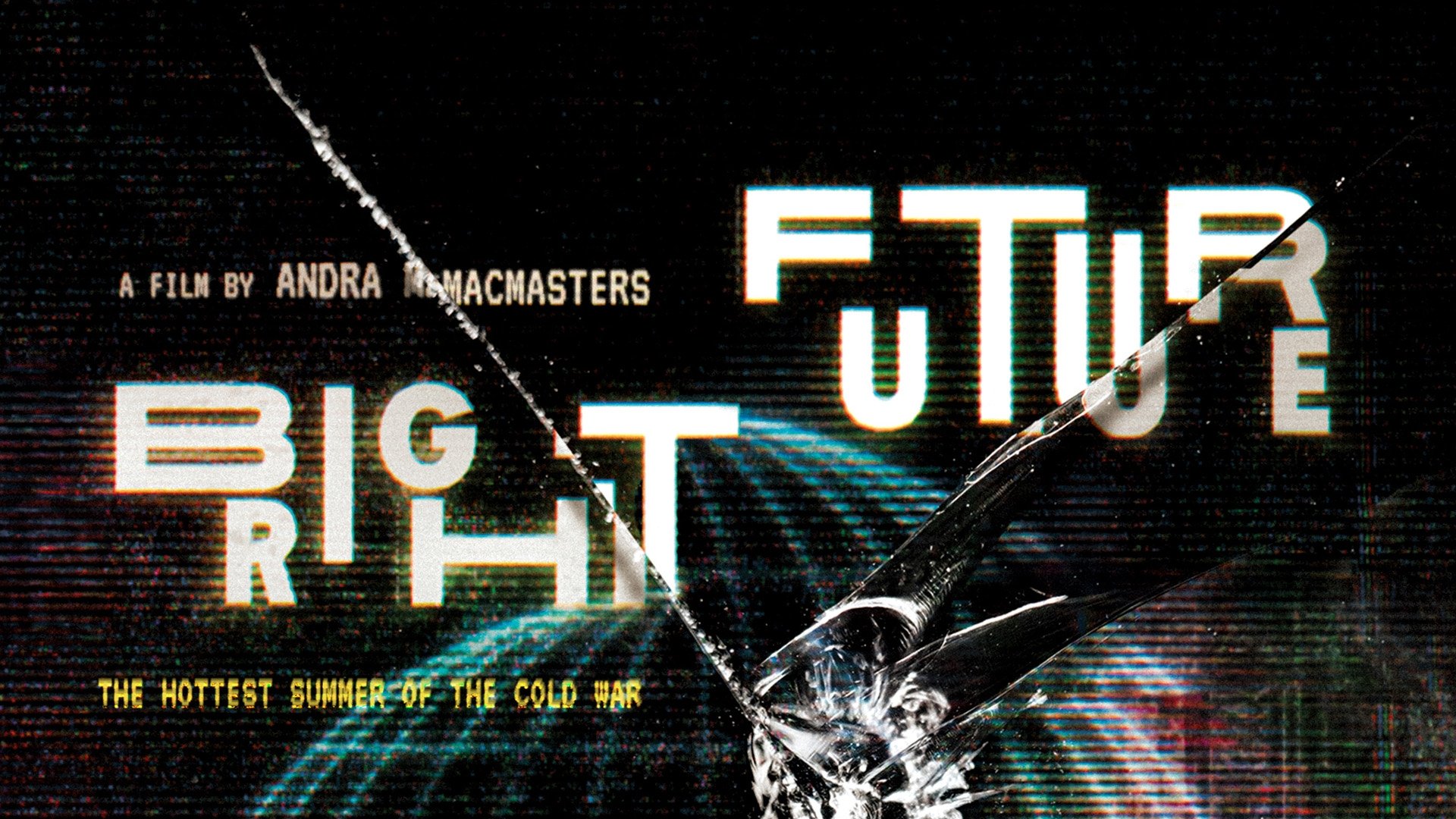
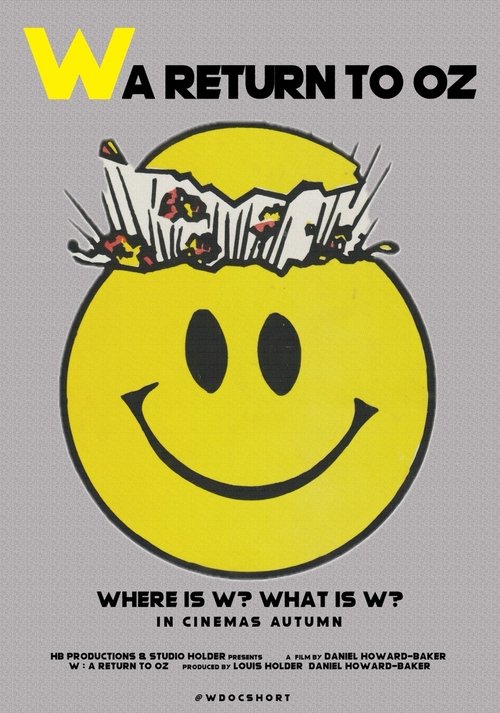
Witness the rise and fall of The Warehouse, a rave venue from Plymouth and times gone by now reduced to a derelict shell. We explore its history, its people and the future. An amateur filmmaker-explorer finds the building in an empty derelict state, long after the prosperous life and energy it endured through the 90s. Through a combination of archives and stories of people who lived there, the film explores through the medium of analogue what once was and how even a now silent derelict shell can become the centre of the universe.
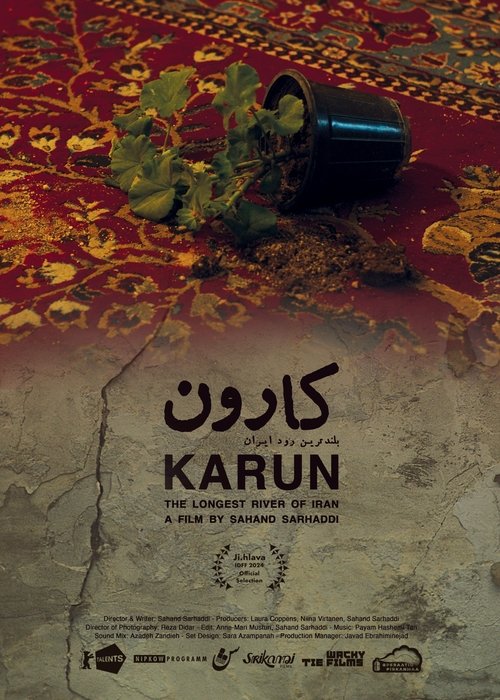
On September 22, 1998, the Iranian poet Hamid Hajizadeh and his nine-year-old son Karun, whose name symbolically refers to Iran's longest river, were brutally murdered in their home in Kerman. The documentary film, based on the statements of the survivors, tries to sensitively reconstruct one of the many terrible motivated events that took place in Iran at the end of the previous century and draws us into the fateful day with the help of detailed shots of the objects in Hamid's study.
2024
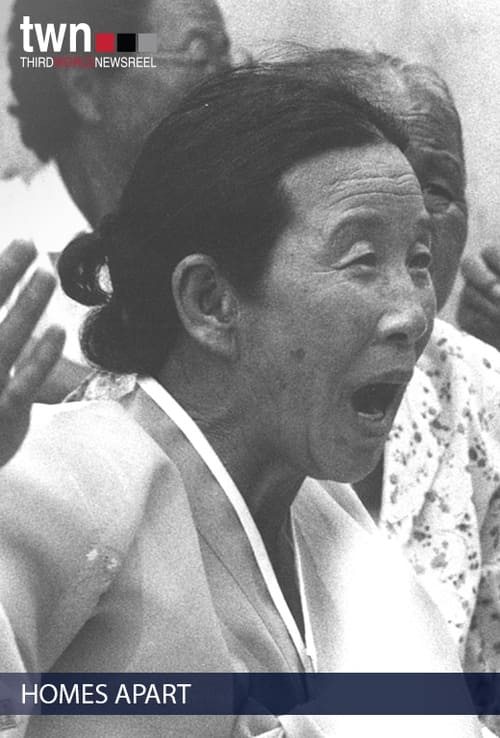
They speak the same language, share a similar culture and once belonged to a single nation. When the Korean War ended in 1953, ten million families were torn apart. By the early 90s, as the rest of the world celebrated the end of the Cold War, Koreans remain separated between North and South, fearing the threat of mutual destruction. Beginning with one man's journey to reunite with his sister in North Korea, filmmakers Takagi and Choy reveal the personal, social and political dimensions of one of the last divided nations on earth. The film was also the first US project to get permission to film in both South & North Korea.
1991
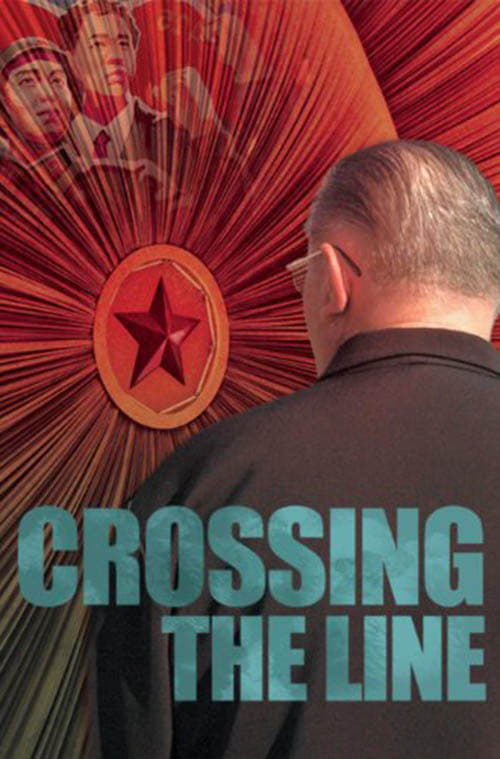
In 1962, a U.S. soldier sent to guard the peace in South Korea deserted his unit, walked across the most heavily fortified area on earth and defected to the Cold War enemy, the communist state of North Korea. He became a star of the North Korean propaganda machine, but then disappeared from the face of the earth. Now, after 45 years, the story of James Dresnok, the last American defector in North Korea, is being told for the first time. Crossing the Line follows Dresnok as he recalls his childhood, desertion, and life in the DPRK.
2006
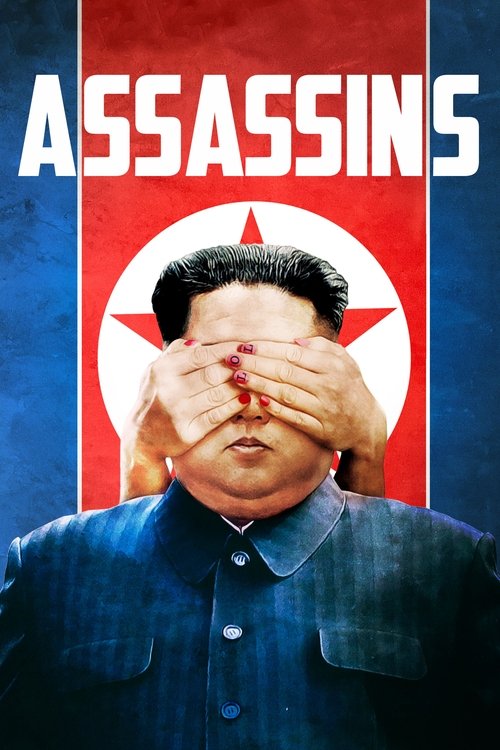
True crime meets global spy thriller in this gripping account of the assassination of Kim Jong-nam, the half brother of the North Korean leader. The film follows the trial of the two female assassins, probing the question: were the women trained killers or innocent pawns of North Korea?
2021
In Maija Blåfield’s documentary, eight former North Koreans talk about what it was like to watch illegal films in a closed society. In addition to the 'waste videos', South Korean films were also smuggled into the country via China.
If the cityscapes and patriotic anthems of this film seem a far cry from the bleak landscape of Seoul Train, that's no accident. Dutch filmmaker Pieter Fleury, with the full permission and cooperation of the North Korean government, created this propaganda film that gives us a glimpse of a day in the life of one of the world's most enigmatic societies. A Day in the Life, largely dictated by the North Korean film bureau, follows a typical North Korean family through their daily duties, largely dedicated to the pride in the North Korean nation of comrades and the glory of General Kim Jong Il. The film is meant to extol the success of modern North Korea. But does it? With straight footage and a total absence of narration, viewers may interpret Fleury's film in a slightly different manner than intended
2004
Dear Pyongyang is a documentary film by Zainichi Korean director Yang Yong-hi (Korean: 양영희, Hanja: 梁英姬) about her own family. It was shot in Osaka Japan (Yang's hometown) and Pyongyang, North Korea, In the 1970s, Yang's father, an ardent communist and leader of the pro-North movement in Japan, sent his three sons from Japan to North Korea under a repatriation campaign sponsored by ethnic activist organisation and de facto North Korean embassy Chongryon; as the only daughter, Yang herself remained in Japan. However, as the economic situation in the North deteriorated, the brothers became increasingly dependent for survival on the care packages sent by their parents. The film shows Yang's visits to her brothers in Pyongyang, as well as conversations with her father about his ideological faith and his regrets over breaking up his family.
From 1950 to 1953, one hundred thousand children were orphaned by the Korean War. With no resources to mend the wounds, the two sides, North and South, took different paths to find homes and families for the war orphans. While the children of South Korea were sent to Europe and the United States through ‘International Adoption’, the children of North Korea were distributed across Eastern Europe through a method called ‘Commissioned Education’. As a result, more than five thousand children from the North had to spend nearly a decade living in foreign lands across Eastern Europe. This story is a record of their lives, which used to be kept hidden from the rest of the world. There is a key to understanding how North Korea's closed political structure began and how the ‘Juche ideology’ was formed in this documentary movie. Understanding North Korea in the 1950s is an important way to understand North Korea at present.
2020
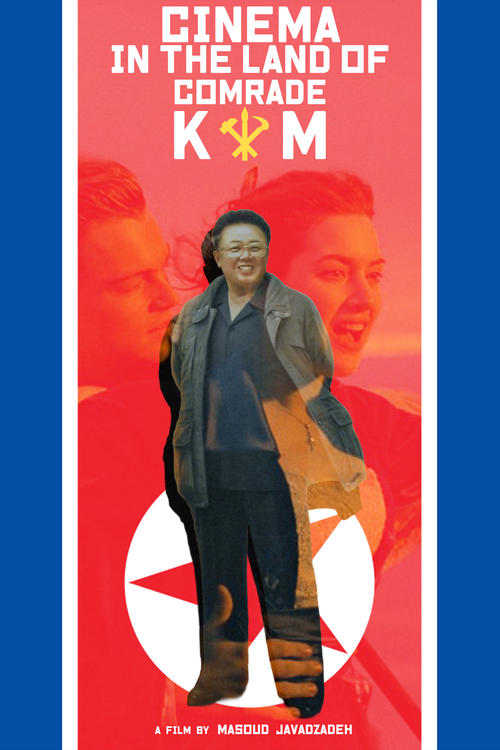
The love of Kim Jong Il, the former dictator of North Korea, for cinema and his adventures, including the kidnapping of a director.
In the second part of our film about North Korea, we peeked into real life in one of the most closed countries in the world. What does the average person's day look like? What currency do they use? Who works the fields? What do local guides hide from tourists? To answer all these questions, we grabbed a hidden camera and went filming in North Korea.
—
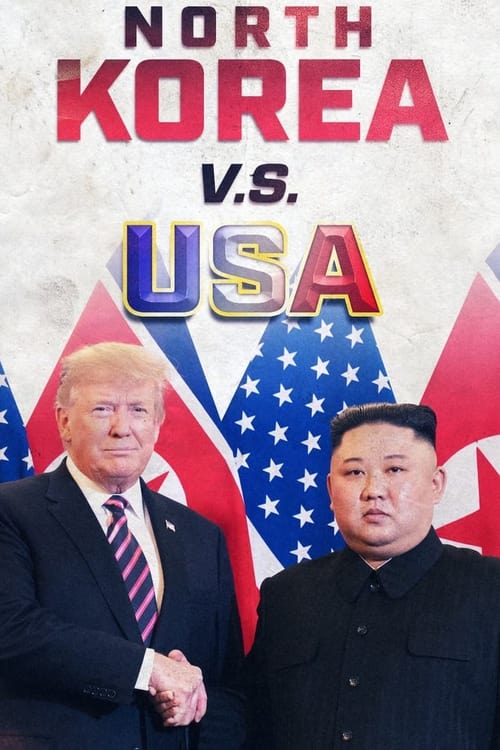
The escalation of tensions between Pyongyang and Washington continues, plunging the world into fear of a nuclear war. Update on the geopolitical issues of this conflict.
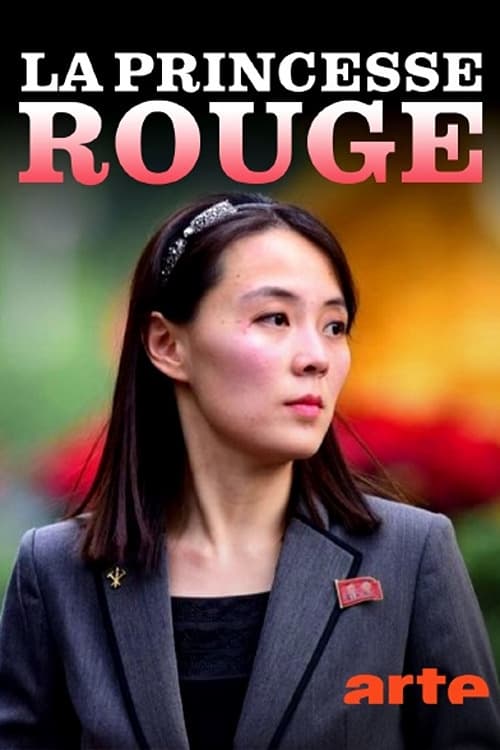
Who is Kim Yo-jong? In a context of maximum tensions between North Korea and the United States, Pierre Haski paints an unprecedented portrait of the little sister of Kim Jong-un, whose influence in Pyongyang is growing stronger day by day.
2022