K
HomeMoviesTVSearchRandom
KKINORA

This website does not retain any files on its server. It provides movie metadata and links to media hosted by third-party services. Powered by the TMDB API.

TrendingSearchMoviesTV ShowsTop RatedRandomNewest
© 2026 Kinora. Not affiliated with TMDB.Built with Next.js · Tailwind · Framer Motion
← Back to details
Now PlayingAlone Again in Fukushima

Alone Again in Fukushima

★ 0.02023Documentary

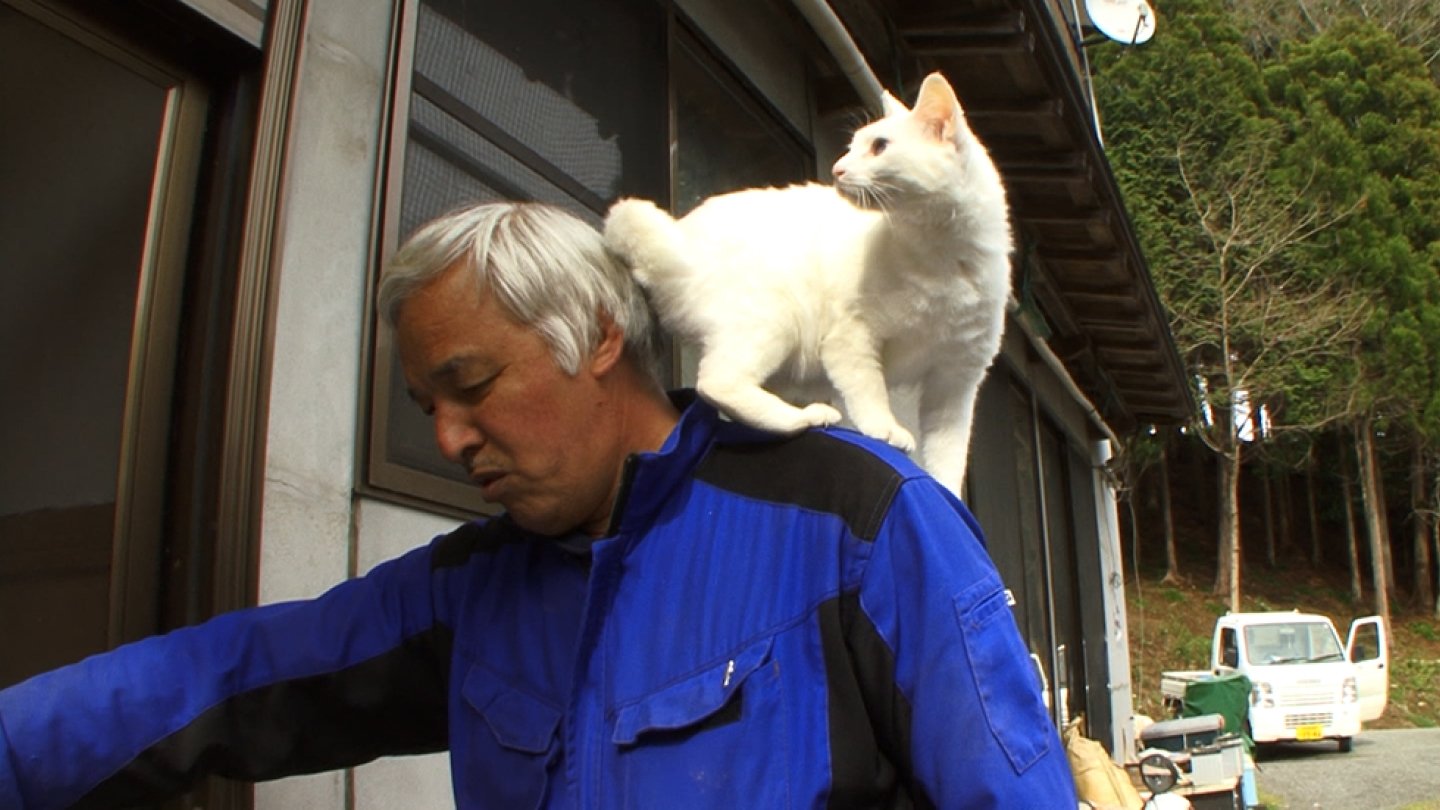
“Alone Again is Fukushima” is the long-awaited sequel to "Alone in Fukushima" (2015), which followed Naoto Matsumura, a man who remained in the nuclear zone in Fukushima to tend animals. The film has followed Naoto for nearly a decade and portrays how Naoto and the animals survived the residents' return to the town, Tokyo Olympics, and COVID-19. In the course of 10 years, many animals and humans were born and died. But Naoto remained in the town and took care of the animals. He raised chickens and kept bees in order to survive. In 2017, Tomioka became the place where people can come back to live, however most young people didn’t return. There is no end in sight for the nuclear crisis in Fukushima. The contaminated water is overflowing and will be pumped out to the ocean soon. Meanwhile the government is trying to restart the nuclear reactors all over the country. The film will give us a chance to reflect on this situation by looking at how Naoto and animals survive in Fukushima.

🎞️More Like This

Haru Wo Tsugeru Machi
Film

A documentary about the people of Hirono, a city located 20 km away from the Fukushima Daiichi Nuclear Power Station. Immediately after the Great East Japan Earthquake, the whole town was forced to evacuate. In 2019, 80% of the population at the time of the earthquake is back in town.

Haru Wo Tsugeru Machi

2020

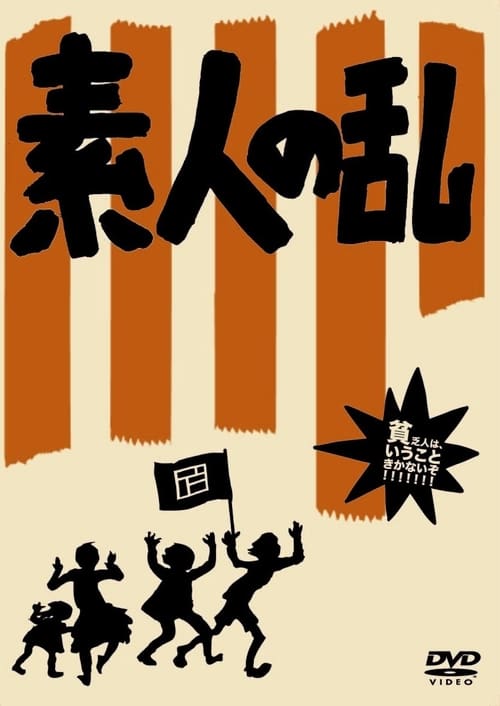
Amateur's Riot
Film

Amateur's Riot (Shirōto no ran) is a Japanese association of activists, committed to the living conditions of the poor people (binbōnin) in Tōkyō. The association was founded in 2005 by Matsumoto Hajime, Yamashita Hikaru, Futatsugi Shin, Mochitsuki Rui and Ogasawara Keita. The protagonists of Shiroto no Ran played an important role in the anti-nuclear demonstrations that appeared in response to the Fukushima nuclear catastrophe.

Amateur's Riot

2008

Inside Chernobyl with Ben Fogle
★7.6
Film

Ben Fogle spends a week living inside the Chernobyl Exclusion Zone, gaining privileged access to the doomed Control Room 4 where the disaster first began to unfold.

Inside Chernobyl with Ben Fogle

2021

Decommissioning Fukushima 2024: Roadmap on the Brink
Film

Thirteen years since the Fukushima Daiichi nuclear accident, the government's plan to decommission the plant is at a crossroads. We take a close look at the efforts to secure Fukushima's future.

Decommissioning Fukushima 2024: Roadmap on the Brink

2024

Nuclear Now
★7.1
Film

With unprecedented access to the nuclear industry in France, Russia, and the United States, Nuclear Now explores the possibility for the global community to overcome the challenges of climate change and energy poverty to reach a brighter future through the power of nuclear energy. Beneath our feet, Uranium atoms in the Earth’s crust hold incredibly concentrated energy. Science unlocked this energy in the mid-20th century, first for bombs and then to power submarines. The United States led the effort to generate electricity from this new source. Yet in the mid-20th century as societies began the transition to nuclear power and away from fossil fuels, a long-term PR campaign to scare the public began, funded in part by coal and oil interests.

Nuclear Now

2023

I'm So Sorry
★8.0
Film

In a quiet forest, a sign warns of radiation hazard. “Is this the past or the future?” muses the masked figure who appears like a kind of ghost in nuclear disaster areas. At a time when nuclear power may be re-emerging as an alternative to fossil fuels, this calmly observed and compelling tour takes us to places that may serve as a warning.

I'm So Sorry

2021

Inside Chernobyl's Mega Tomb
★7.5
Film

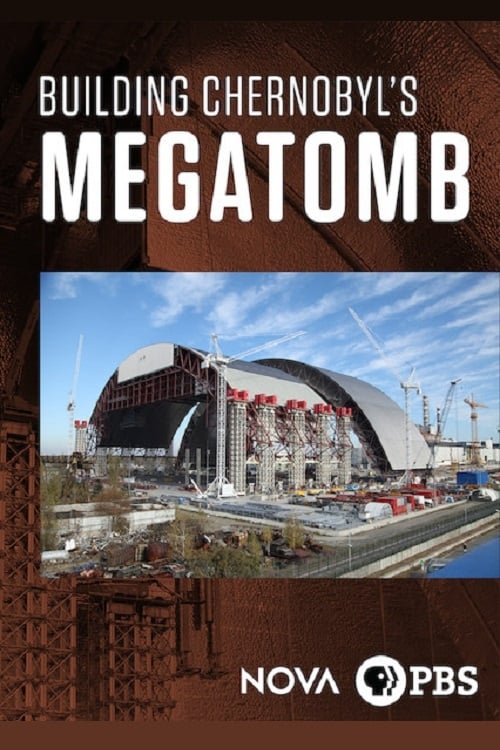
Documentary which follows the construction of a trailblazing 36,000-tonne steel structure to entomb the ruins of the nuclear power plant destroyed in the 1986 Chernobyl disaster.

Inside Chernobyl's Mega Tomb

2016

Reflection
★5.0
Film

Eerie images of landscapes after the Fukushima nuclear disaster shot on black and white 8mm.

Reflection

2014

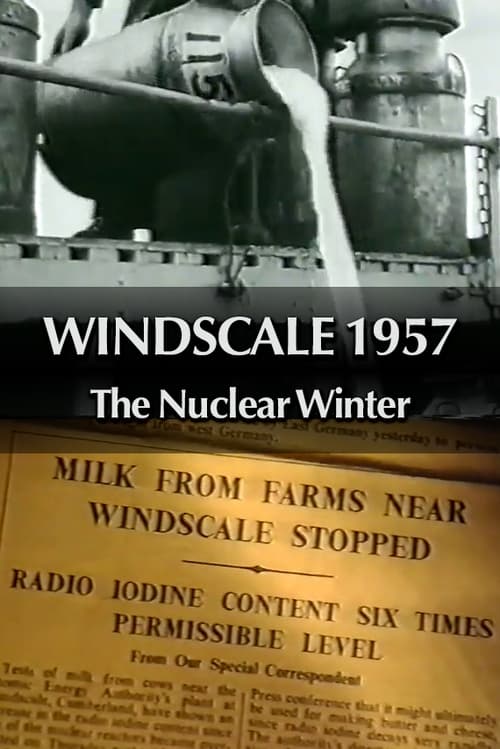
Windscale 1957: The Nuclear Winter
Film

In October 1957, one of the Windscale nuclear reactors caught fire. It was the world's first nuclear accident, attributed to the rush to build atomic weapons. This programme highlights the mistakes leading to a nuclear event which, 40 years on, still takes second place only to Chernobyl.

Windscale 1957: The Nuclear Winter

1996

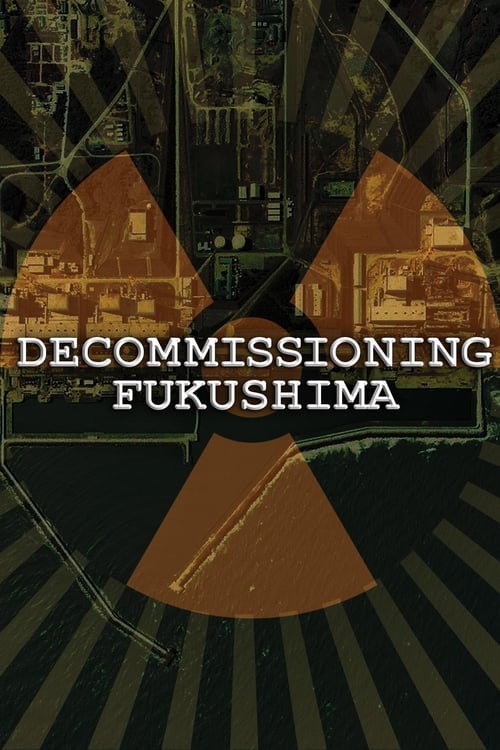
Decommissioning Fukushima: The Battle to Contain Radioactivity
Film

TEPCO's Fukushima Daiichi Nuclear Power Plant is the site of one of history's worst nuclear disasters: the meltdown of three nuclear reactors. The decommissioning program in Japan learns from the Three Mile Island decommissioning in the US after the nuclear plant accident in 1976 in Pennsylvania.

Decommissioning Fukushima: The Battle to Contain Radioactivity

2014

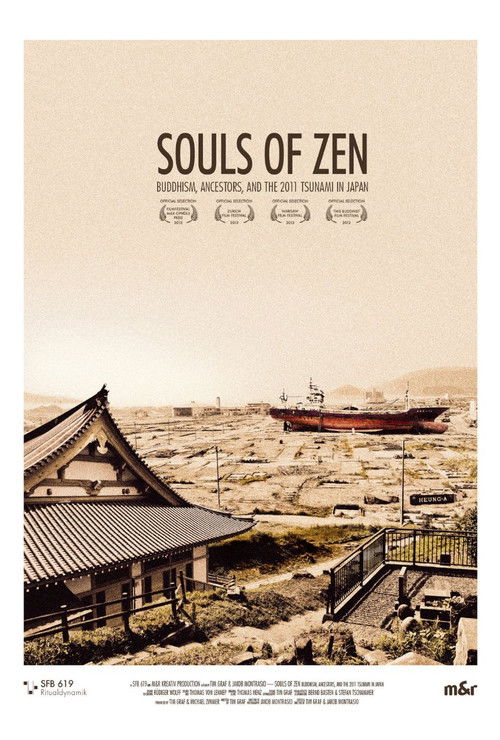
Souls of Zen: Ancestors and Agency in Contemporary Japanese Temple Buddhism
★8.0
Film

The Japanese population’s reaction to the catastrophe of March 2011 has been described as “stoic” by the Western media. The Japanese code of conduct is indeed deeply rooted in their Buddhist traditions, and young filmmakers Tim Graf and Jakob Montrasio observe in detail what this means for the people and their religion. At graveyards, in temples, at monasteries and with families, they question the impact this triple affliction has had on the lives and beliefs of the inhabitants. How deeply do their beliefs affect their grieving? What role do the monks play in assisting people with their grief? And, what effects has this enormous catastrophe had on their religious rituals? SOULS OF ZEN inserts the events of March 2011 into the context of traditional Zen Buddhism, examining Japan’s religiousness and the beliefs of those practising it at a crucial turning point.

Souls of Zen: Ancestors and Agency in Contemporary Japanese Temple Buddhism

2012

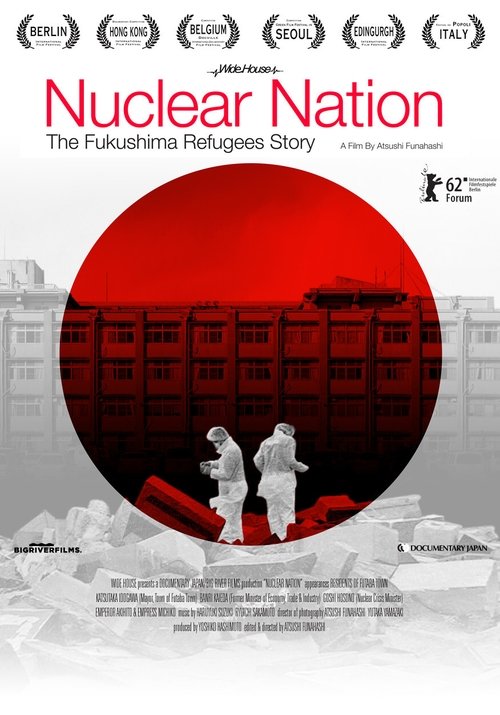
Nuclear Nation
★6.5
Film

After the 11 March 2011 tsunami and nuclear disaster, residents of Futaba, a town in Fukushima Prefecture, are relocated to an abandoned high school in a suburb of Tokyo, 150 miles south. With a clear and compassionate eye, filmmaker Atsushi Funahashi follows the displaced people as they struggle to adapt to their new environment. Among the vivid personalities who emerge are the town mayor, a Moses without a Promised Land; and a farmer who would rather defy the government than abandon his cows to certain starvation.

Nuclear Nation

2012

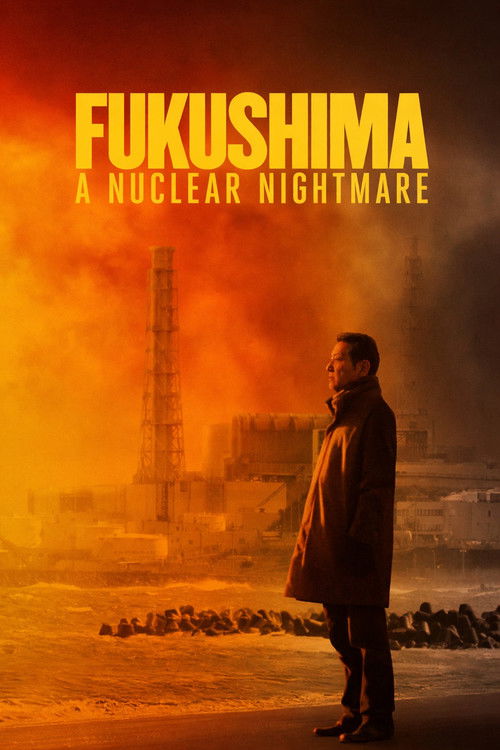
Fukushima: A Nuclear Nightmare
★7.0
Film

The definitive account of Japan’s struggle as it faced a nuclear catastrophe while still reeling from the devastation of an earthquake and tsunami.

Fukushima: A Nuclear Nightmare

2026

The Radiant
Film

The Radiant explores the aftermath of March 11, 2011, when the Tohoku earthquake triggered a tsunami that killed many thousands and caused the partial meltdown of the Fukushima Daiichi nuclear power plant on the east coast of Japan. Burdened by the difficult task of representing the invisible aftermath of nuclear fallout, The Radiant travels through time and space to invoke the historical promises of nuclear energy and the threats of radiation that converge in Japan in the months immediately following the disaster.

The Radiant

2012

We Are the Guinea Pigs
★6.0
Film

Farmers and parents of young children, who live in the Harrisburg, Pa., area, discuss their fears of radioactive contamination from the Three Mile Island nuclear reactor accident in 1979. Scientists and physicians also expound on the lethal dangers of nuclear power and the risks in containment processes.

We Are the Guinea Pigs

1980

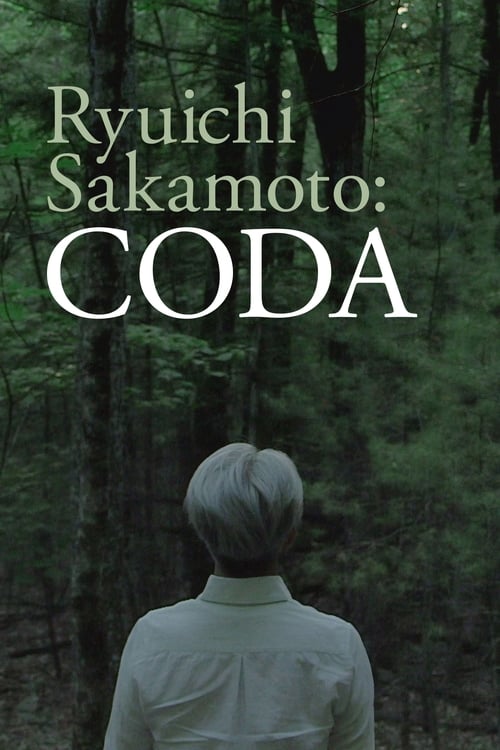
Ryuichi Sakamoto: CODA
★7.4
Film

Oscar-winning composer Ryuichi Sakamoto weaves man-made and natural sounds together in his works. His anti-nuclear activism grew after the 2011 Fukushima disaster, and his career only paused after a 2014 cancer diagnosis.

Ryuichi Sakamoto: CODA

2017