K
HomeMoviesTVSearchRandom
KKINORA

This website does not retain any files on its server. It provides movie metadata and links to media hosted by third-party services. Powered by the TMDB API.

TrendingSearchMoviesTV ShowsTop RatedRandomNewest
© 2026 Kinora. Not affiliated with TMDB.Built with Next.js · Tailwind · Framer Motion
← Back to details
Now PlayingThe Voices of the Silenced

The Voices of the Silenced

★ 0.02024Documentary

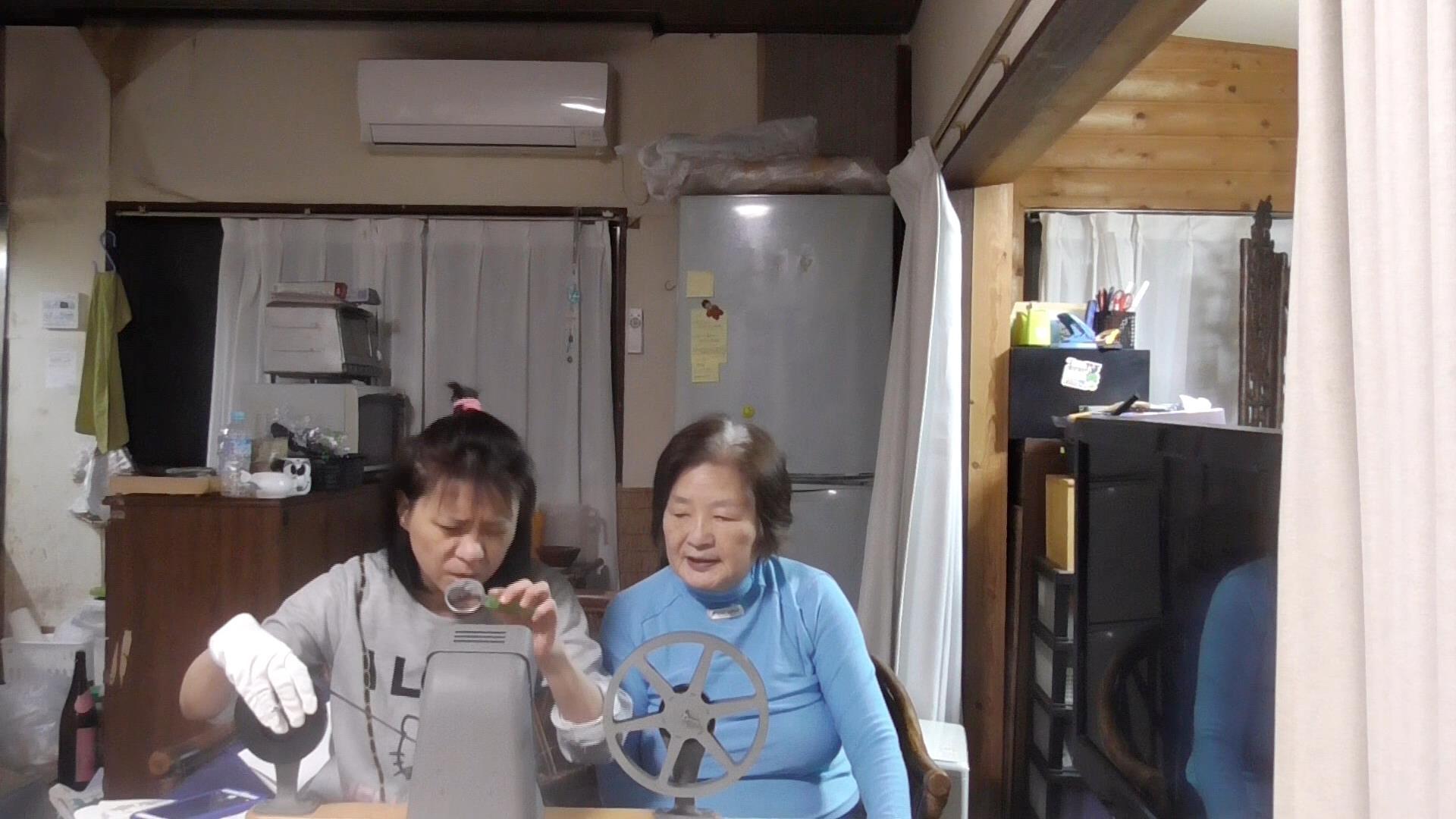
Director Park Soo-nam, a second-generation Korean resident in Japan who is losing his eyesight, decides to digitally restore 16mm film she shot a long time ago, relying on her daughter Park Ma-eui's eyesight. The blood, tears, and numerous corpses of Koreans living in Japan are clearly engraved in the film filmed over 50 years.

🎞️More Like This

One for All, All for One
Film

Osaka Korean High School has provided education for the past six decades to the children of pro-North Korean residents in Japan. This school is located only about 20 minutes away from Hanazono Stadium, the mecca of Japan’s high school rugby, but it was not until 1994, 18 years after the foundation of a rugby team at the high school, that the Japanese education ministry approved the team’s entry into the official league. Since then, the team has run in the national league as a representative of the Osaka area and been considered a front-runner ever since. The team has strong players and passionate supporters, but it faces difficulties just before winning the league.

One for All, All for One

2014

No image
Film

Documentary film about the discrimination against zainichi, directed by Yoshihiko Okamoto.

Kokuhatsu Zainichi kankokujin seijihan report

1975

No image
Film

In Kawasaki, Japan, 1st to 3rd generation of Korean-Japanese and Americans share their daily lives and wish for a symbiotic society. The inter-Korean summit in 2000 brought reconciliation and hope to the divided Korean community. Meanwhile, hundreds of hateful demonstrators are approaching Sakuramoto, the Korean residence, amid deepening tensions between Japan and Korea in 2016.

The Family of One Hundred Years

2021

Soup and Ideology
★9.0
Film

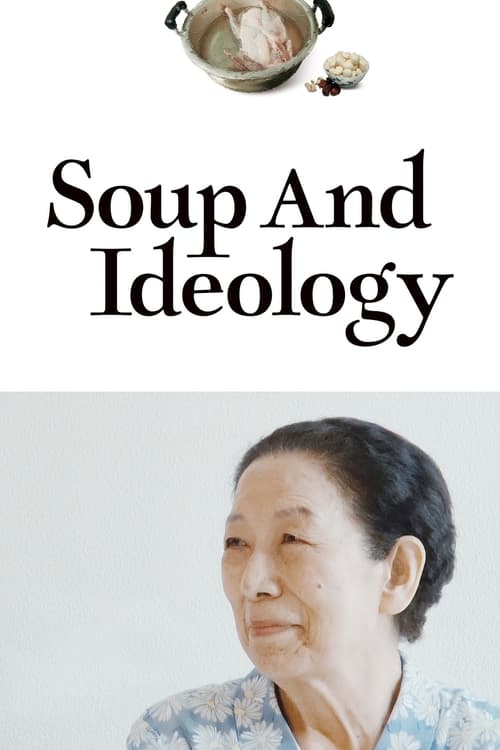
Confronting half of her mother’s life—her mother who had survived the Jeju April 3 Incident—the director tries to scoop out disappearing memories. A tale of family, which carries on from Dear Pyongyang, carving out the cruelty of history, and questioning the precarious existence of the nation-state.

Soup and Ideology

2022

Discrimination
★10.0
Film

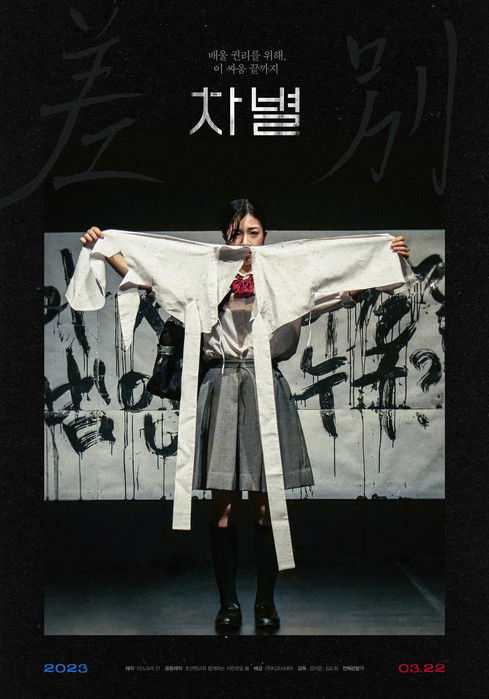
Since 2013, Japan has implemented the free high school policy. However, only 10 Chongryon Korean high schools are excluded from this policy. The reason is that there are suspicions that the grant for free education will be misused by Chochongryon and others. Five of these schools protested about this measure and filed a claim for damages against the government in 2013. After four years of hearings, the first trial decision was made on July 19, 2017, starting with the case of Hiroshima Chongryon Korean high school.

Discrimination

2023

Dear Pyongyang
★7.4
Film

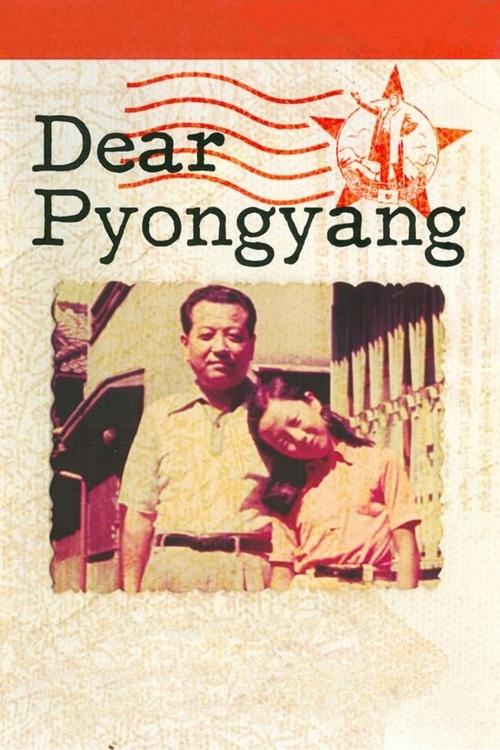
Dear Pyongyang is a documentary film by Zainichi Korean director Yang Yong-hi (Korean: 양영희, Hanja: 梁英姬) about her own family. It was shot in Osaka Japan (Yang's hometown) and Pyongyang, North Korea, In the 1970s, Yang's father, an ardent communist and leader of the pro-North movement in Japan, sent his three sons from Japan to North Korea under a repatriation campaign sponsored by ethnic activist organisation and de facto North Korean embassy Chongryon; as the only daughter, Yang herself remained in Japan. However, as the economic situation in the North deteriorated, the brothers became increasingly dependent for survival on the care packages sent by their parents. The film shows Yang's visits to her brothers in Pyongyang, as well as conversations with her father about his ideological faith and his regrets over breaking up his family.

Dear Pyongyang

2006

Arirang Rhapsody
Film

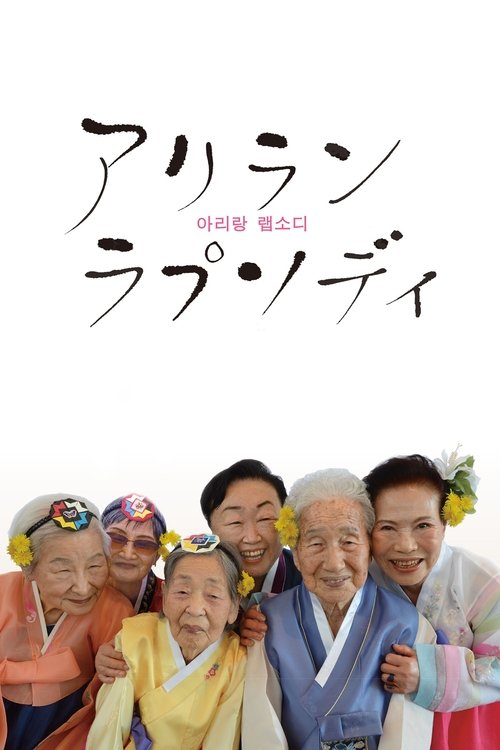
The protagonists of the film are the Zainichi Korean women living in Kawasaki. They were tossed about by the war, and after many trips to and fro across the sea in search of a place to live, they finally arrived in Kawasaki, where they have lived modestly and vigorously.

Arirang Rhapsody

2024

I Am From Chosun
★7.3
Film

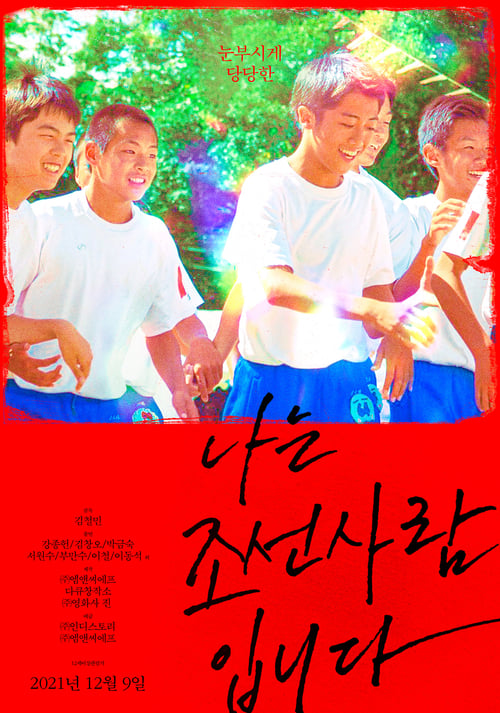
After 15 years of knowing Chosun people in Japan I met on Mt. Geumgang in 2002, I face the history of colonization and division that I had not known before. They’ve been to North Korea many times, but never to South Korea. They tell us why they want to live as Chosun people despite the discrimination in Japanese society. 

I Am From Chosun

2021

Strangers on the Field
Film

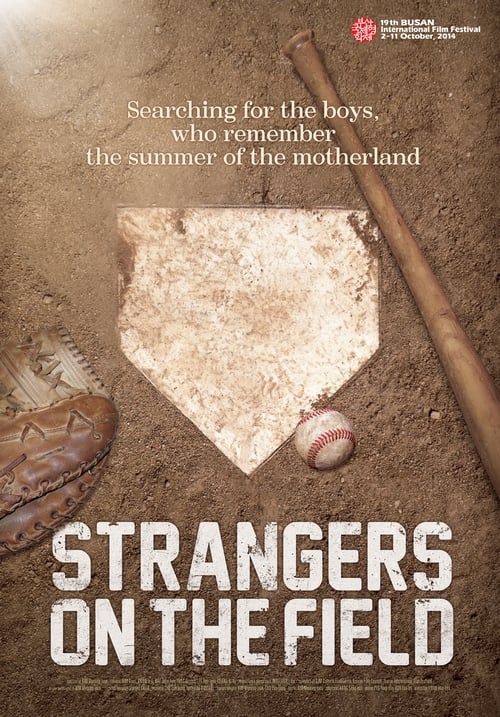
In April 2013, unfamiliar faces appear at the Jamsil Baseball Stadium during the opening matches between Doosan and SK. The nervous middle-aged men throwing and batting the first ball are, in fact, Korean-Japanese former team members that played on that same spot in the 1982 finals of the Bong-hwang-dae-ki games.

Strangers on the Field

2015

No image
Film

Imman Kim wants to reconcile with his parents, who emigrated to Osaka after April 3 Jeju Uprising. Cheolwoong Park has supported his younger sister during his entire life, blaming his father who moved to Tokyo to avoid guilt-by association. Soonam Park has devoted her life to human rights movement for a second-generation Korean-Japanese and her daughter Mayi Park who also lives as a Korean-Japanese. This film tell us about meaning of a nation through their life stories.

After Chosun

2017

Our School
★5.7
Film

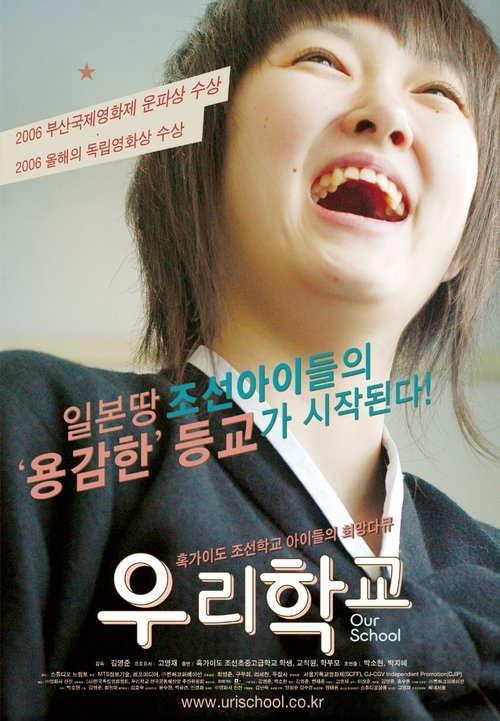
This documentary is about the 3rd and 4th generation Korean residents of Japan who are students of Chosen elementary, middle, and high school in Hokkaido. It follows the students through one year of the eventual 11 years` national education. Rather than focusing on special occasions or issues, it reveals what it is like to live in Japan as Korean-Japanese by describing their everyday lives.

Our School

2007

Reclaiming Our Names
Film

Matsuda Shunji, a freshman of Amagasaki High School in Osaka faces a difficult decision regarding the revelation of his Korean name, Lee Jun-Chi. The teenager is aware of the difficulties of living in Japan with a Korean name, and so dreads the day when he is supposed to make this decision. He ultimately meets a loneliness whereby we are left to witness the outcome of his dilemma.

Reclaiming Our Names

1998

Zainichi: The Story of Koreans in Postwar Japan
Film

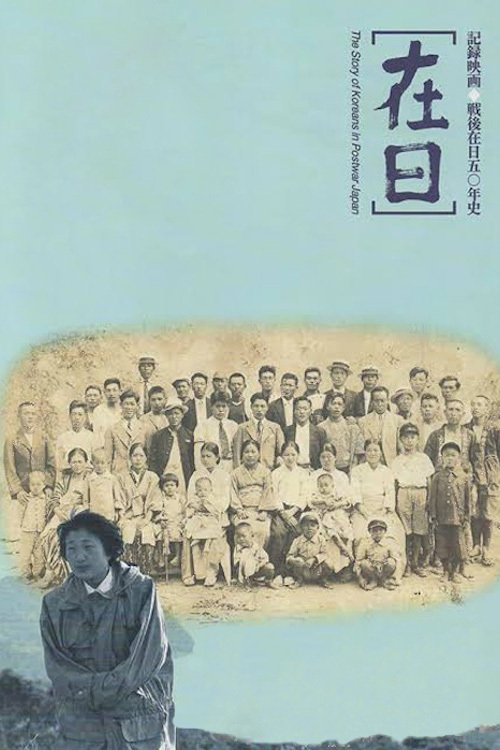
Portraying the fifty-year history of zainichi (long-term residents in Japan) Koreans after the liberation of Korea, traces of zainichi evoked in this film question the concepts of 'post-war democracy' and 'pacifism' in Japan. With copious stock footage and testimony, the first half of the film, "History," chronologically traces the various experiences of zainichi from Japan's defeat (Korean liberation) through 1990. The latter half, "People," focuses on first, second and third-generation zainichi respectively, vividly depicting how they live.

Zainichi: The Story of Koreans in Postwar Japan

1998

Hostage 93340
Film

No description available.

Hostage 93340

2025

Shiso
Film

A Japanese herb called 'shiso' looks like a perilla leaf but has a unique fragrance. It's like how I have a Korean name and nationality but still feel a sense of alienation in Korean society. The death of my grandmother, a first-generation Zainichi, raises a question for me: Does death also mark the end of the life of an outsider? In the end, where do we return to?

Shiso

2025

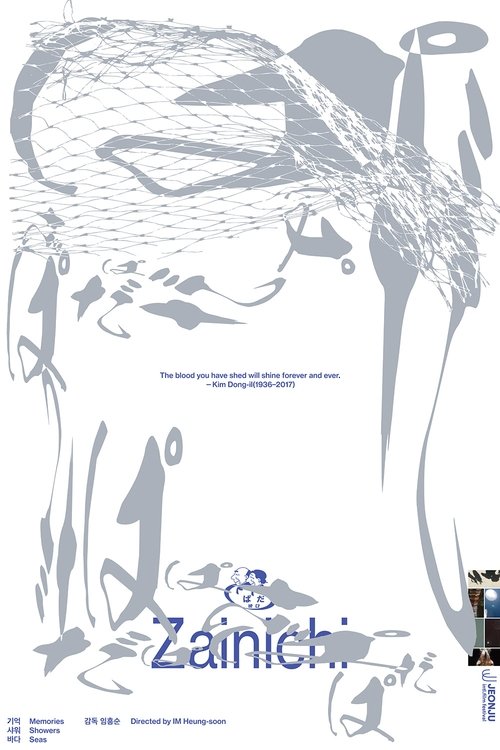
Memories Showers Seas
Film

The late Kim Dong-il, a Jeju April 3 refugee in Japan, left behind over 2,000 crocheted items and pieces of clothing that preserved her memories, identity, and history. As the film traces the redistribution of her belongings, it illuminates the still-unhealed lives of various Zainichi Koreans who lived through the same era, sharing and connecting their intertwined memories.

Memories Showers Seas

2025