In the mid-1990s, Dieter Dubbert accidentally ends up with the Miskito Indians in Bismuna, Nicaragua. Here he begins to work with drug-addicted and delinquent young people from Germany who would otherwise disappear into homes and prisons.
Juan “Accidentes” Dominguez is on his biggest case ever. On behalf of twelve Nicaraguan banana workers he is tackling Dole Food in a ground-breaking legal battle for their use of a banned pesticide that was known by the company to cause sterility. Can he beat the giant, or will the corporation get away with it?
2009
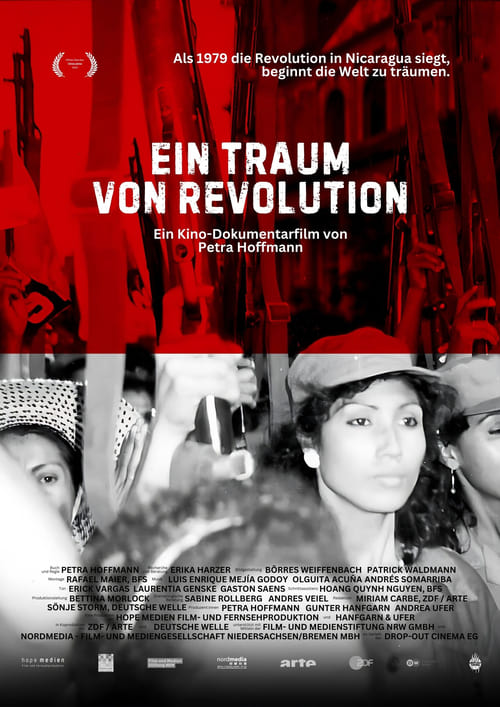
When the revolution in Nicaragua won its victory nearly 40 years ago, the world began to dream. A young generation was taking the reins in a country of grand utopias. From West Germany alone, 15,000 “brigadists” travelled to help rebuild the war-torn country: liberals, greens, unionists, social democrats, leftists and church representatives harvested coffee and cotton, built schools, kindergartens and hospital wards. No movement has mobilised so many people. What became of the hopes and dreams of the revolutionaries and their supporters?
2024
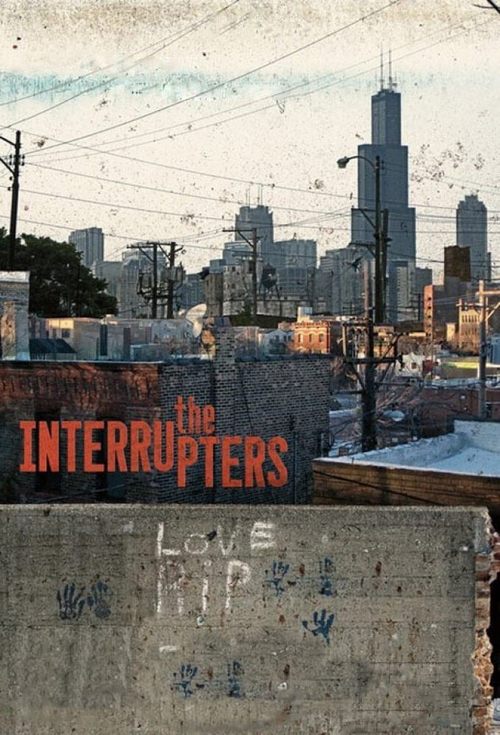
The Interrupters tells the moving and surprising stories of three Violence Interrupters — former gang members who try to protect their Chicago communities from the violence they once caused.
2011
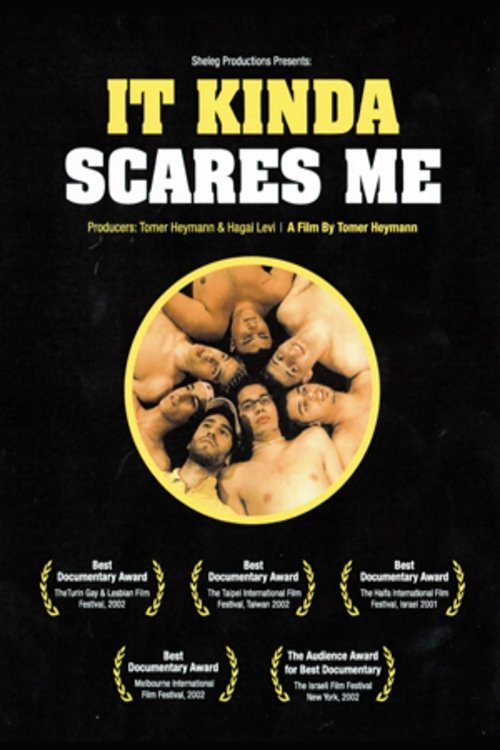
It Kinda Scares Me is a documentary about a drama coach and the “delinquent” boys he teaches. In their world, bravado is everything and Friday nights are for getting into fights. Tomer Heymann, both filmmaker and drama coach, encourages the boys to create something from their pain and marginalization, while they struggle in rehearsals to preserve their much-prized Israeli machismo. When Tomer announces to the group that he is gay, they are shocked, but his commitment to their play wins the day as they prepare for a performance that will give voice to the lives of disaffected Israeli youth.
2001
This third opus will take us into the homes of some of the Adamant and Averroes & Rosa Parks’ protagonists, during the visits led by their caregivers.
No description available.
1982
2017
¡Las Sandinistas! uncovers the disappearing stories of women who shattered barriers to lead combat and social reform during Nicaragua’s 1979 Sandinista Revolution, and who continue to lead Nicaragua’s current struggle for democracy and equality.
2018
This 1979 documentary depicts the daily life of gangs in the South Bronx. It deals primarily with two African American and Puerto Rican gangs known as the "Savage Skulls" and the "Savage Nomads".
1980
The conflict between Dole Food Company and Swedish filmmaker Fredrik Gertten unfolds dramatically in the documentary "BIG BOYS GONE BANANAS!" as the corporation attempts to suppress Gertten's earlier film, "BANANAS!"—chronicling Nicaraguan workers' lawsuit against Dole. Initially selected for the 2009 Los Angeles Film Festival, "BANANAS!" was abruptly removed from competition, followed by a negative article in the Los Angeles Business Journal and legal threats from Dole's attorneys. Gertten captures this saga of corporate intimidation, media manipulation, and legal challenges in his documentary, showcasing the struggles documentary filmmakers face and highlighting the threat to freedom of speech posed by powerful corporations protecting their reputations.
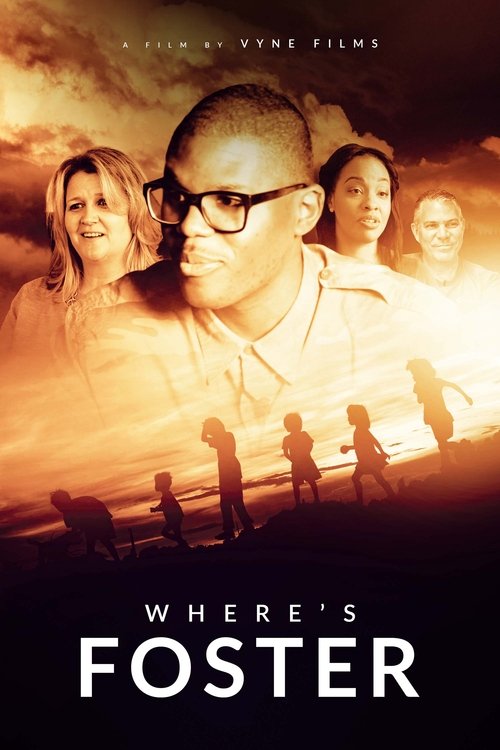
Social workers dispel myths about why children are removed from their biological parents, breaking down their overwhelming workload. Lawyers uncover the harsh reality of young children navigating the legal system. Advocacy organizations try to keep children safe and away from predators. An eclectic array of interviews from foster care alumni explore their connections (or lack thereof) with social workers, the fragile bond with each foster home, how trust can fall apart, and how those unable to adapt spent time in group homes. The film concludes with alumni success stories, working to remove the stigma of foster care.
2021
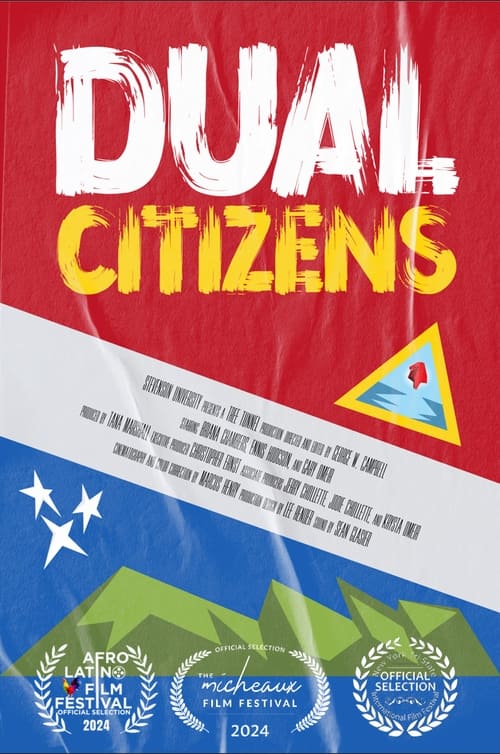
Three Nicaraguan-American artists from the Washington D.C. Metro area discuss growing up in two cultures and how it influences their art.
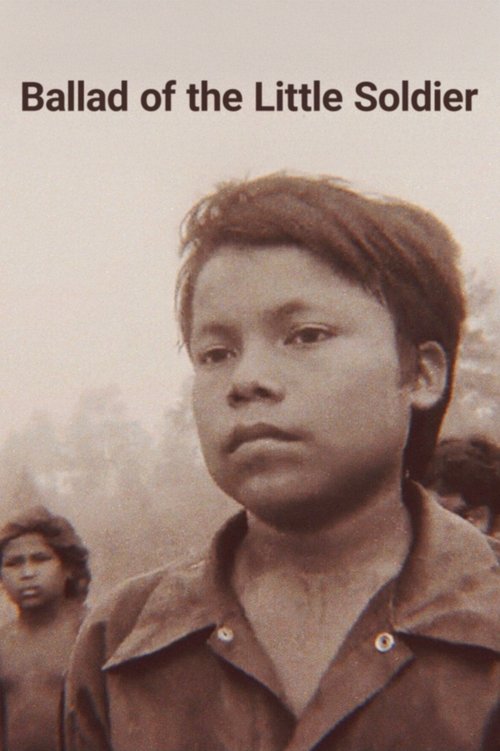
A group of Miskito Indians use Nicaraguan child soldiers in their resistance against the Sandinistas.
1984
A portrait of a remote area in the rural north of Nicaragua facing difficulties with the revolutionary process. It follows Marlon Stuart, the regional FSLN political organiser, at the time of the 1984 elections.
1985