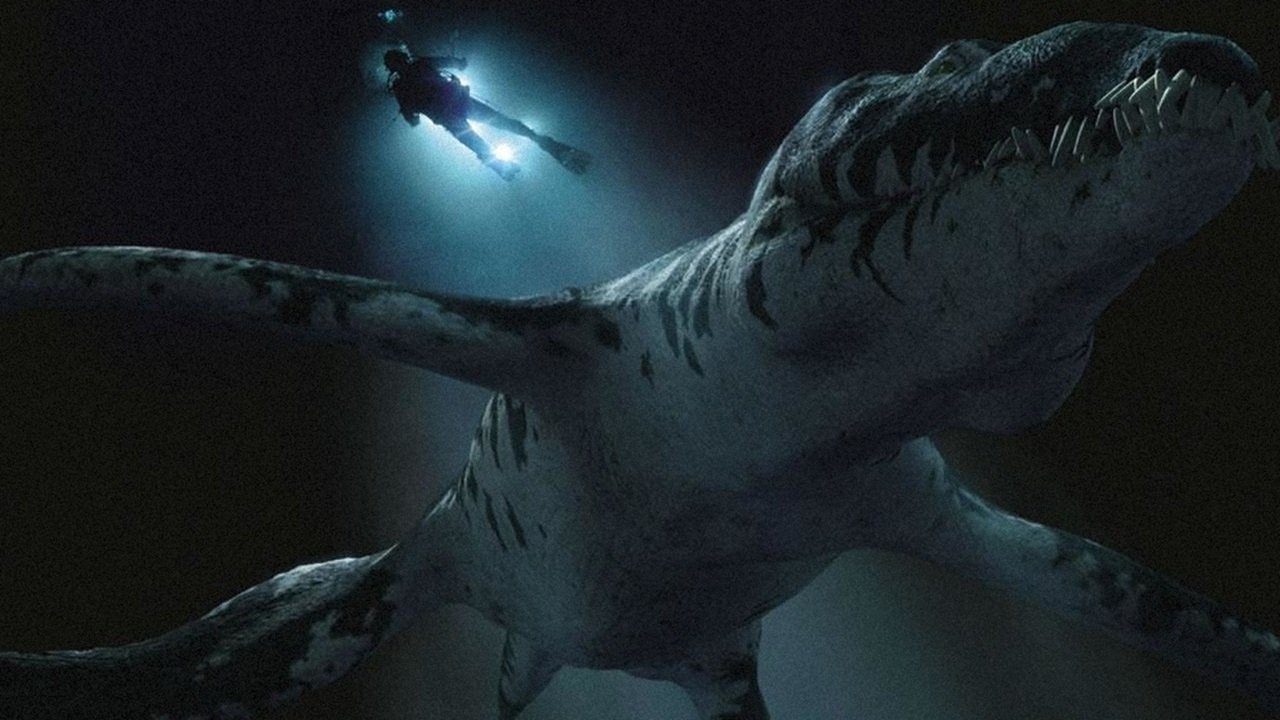
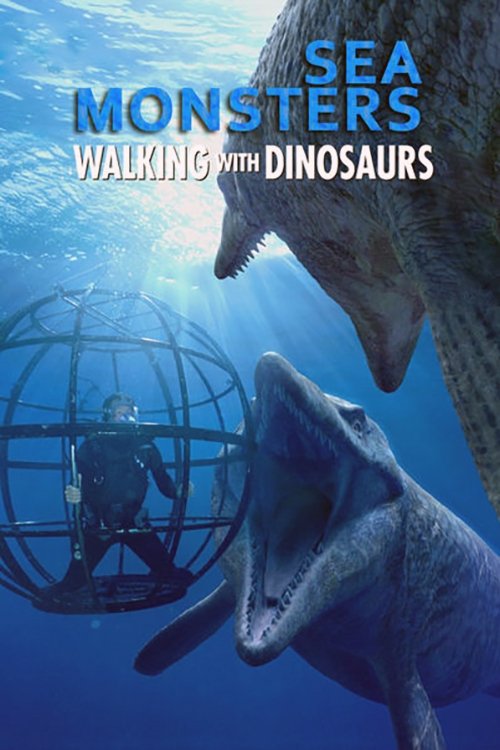
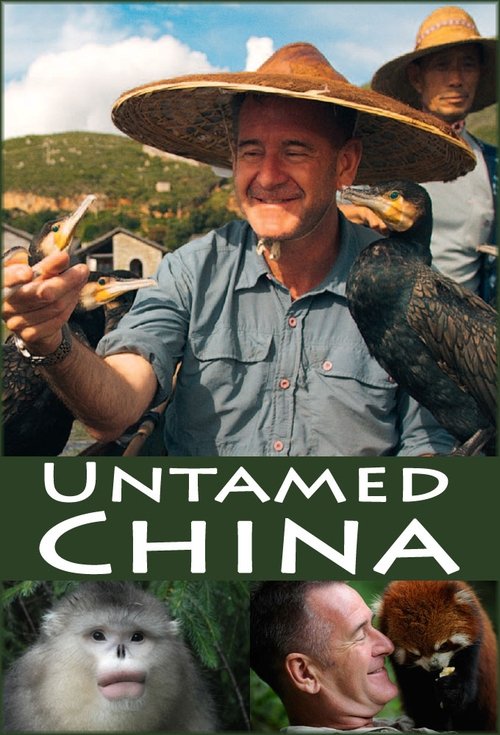
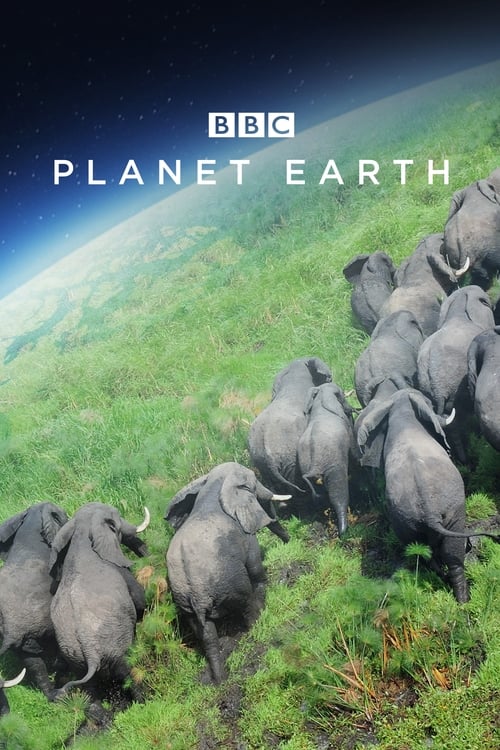
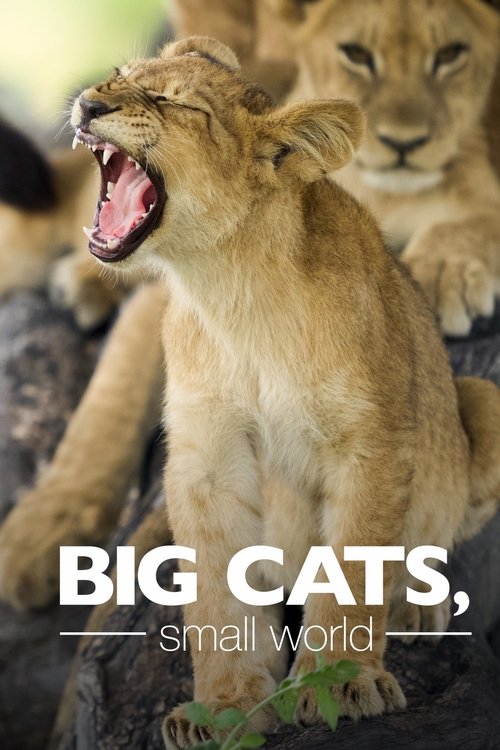
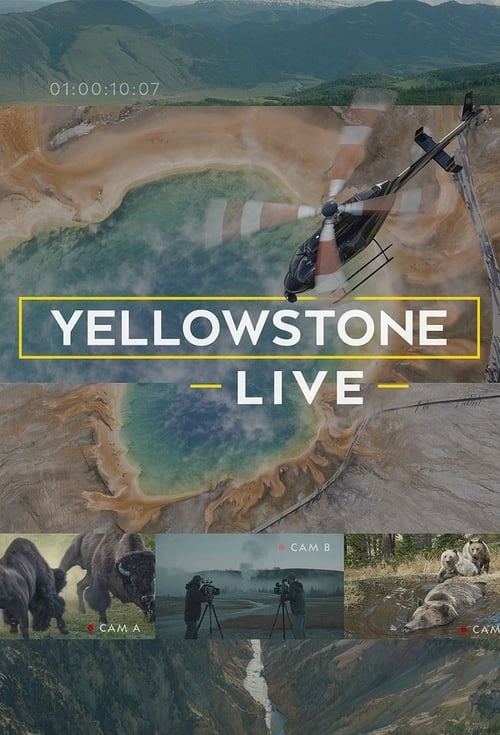
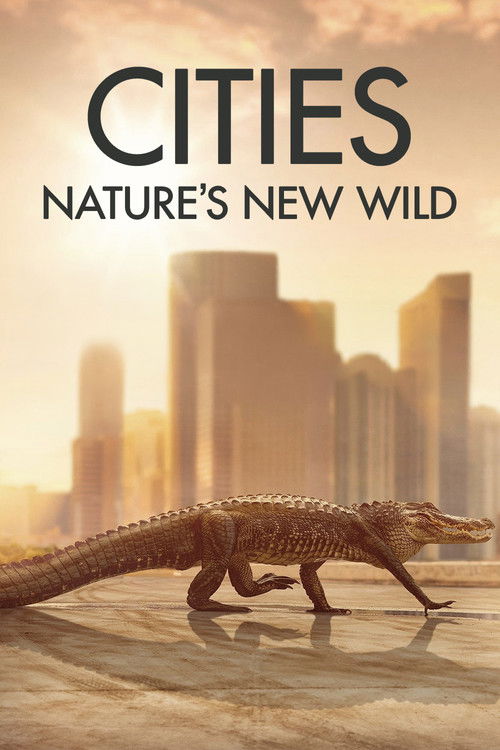
Sea MonstersA WALKING WITH DINOSAURS TRILOGY.★ 7.720031 season~29mEndedDocumentaryZoologist Nigel Marvin travels back in time to visit deadly creatures of the prehistoric oceans.Watch NowWatch trailerCreated byTim HainesNetworkBBC OneLanguageEnglishEpisodesMiniseriesE1Dangerous SeasNigel travels back in time to the seventh deadliest sea of all time, the Ordovician period (450 million years ago), where he is attacked by sea scorpions and comes face-to-face with a giant orthocone. He then explores the sixth deadliest sea, the Triassic (230 million years ago), where he encounters a pair of Nothosaurus, the bizarre sea reptile Tanystropheus and the giant primitive predatory ichthyosaur Cymbospondylus, which Nigel keeps at bay through using a cattle prod. Nigel then dives in the fifth deadliest sea, the Devonian (360 million years ago). In the Devonian, Nigel encounters the strange primitive shark Stethacanthus and the placoderm Bothriolepis and he uses a rounded shark cage to protect himself from the giant predatory placoderm Dunkleosteus.2003-09-09· 29mE2Into the Jaws of DeathLeaving the Devonian, Nigel travels forward in time to the fourth deadliest sea, the Eocene (36 million years ago), where he encounters the strange elephant-related Arsinoitherium. Diving in the Tethys Sea, Nigel encounters the primitive whale Dorudon and the crew of The Ancient Mariner uses recorded whale sounds to attract the giant predatory primitive whale Basilosaurus. In the third deadliest sea, the Pliocene (4 million years ago), Nigel encounters the strange whale Odobenocetops and dives with a adolescent megalodon shark. He later uses the rounded shark cage to dive with an adult megalodon, the largest shark of all time.2003-09-16· 29mE3To Hell and BackAfter leaving the Pliocene, Nigel explores the second deadliest sea, the Jurassic (155 million years ago). There, he meets the giant filter-feeding fish Leedsichthys and predators such as the shark Hybodus and the marine crocodile Metriorhynchus. The apex predator of the Jurassic sea is the giant pliosaur Liopleurodon, which Nigel keeps away through spraying putrescine at them when they approach him. Nigel then travels to "Hell's aquarium", the Cretaceous (75 million years ago). The sheer number of different predators present, including sharks, giant predatory fish Xiphactinus and giant mosasaurs, makes the Cretaceous the deadliest sea of all time. In addition to predators, Nigel also encounters a variety of other Cretaceous animals, such as the aquatic bird Hesperornis, plesiosaur Elasmosaurus, pterosaur Pteranodon and giant sea turtle Archelon.2003-09-23· 29mTop CastNigel MarvenSelfKaren HayleyNarrator (voice)📺More Like This‹›TVA celebration of California’s wildlife and wild places, and their coexistence with the 40 million people who call it home. Famous for its beaches and Hollywood, California is also a wellspring of biodiversity. Bounded by mountains, deserts and the Pacific Ocean, here are iconic wild places like Yosemite National Park and Death Valley, as well as Baja California’s lesser-known wild beauty.Planet California2022★8.0TVNo description available.L'archipel d'Hawaï2023★9.5TVIn new six-part series Untamed China, wildlife adventurer Nigel Marven explores the country's mountains and grasslands, crosses its greatest deserts and treks through its deepest jungles in search of the rare, little-known and extraordinary creatures that live there. Over half of China's plant and animal species live in Yunnan Province in the far southwest of the country. In episode one, Nigel goes there to explore the ancient city of Dali and the surrounding mountains and forests. He meets some bizarre and deadly reptiles and amphibians, goes on a very unusual fishing trip, enjoys the fairy-tale lifecycle of butterflies and gets up close to highly endangered Yunnan snub-nosed monkeys.Untamed China2011★8.6TVDavid Attenborough celebrates the amazing variety of the natural world in this epic documentary series, filmed over four years across 64 different countries.Planet Earth2006★10.0TVThree Big Cats occupy the top of the food chain, but they must compete for prey and territory on the shores of Botswana's Gomoti River.Big Cats, Small World2024★5.5TVSitting on top of one of the world’s largest super-volcanos are 3,500 square miles of the most spectacular American wilderness. This summer, National Geographic Channel opens this world to you LIVE with a four-night special event. The action reaches boiling point in the world’s first National Park, Yellowstone.Yellowstone Live2018★8.5TVMillions of years ago, incredible forces ripped apart the Earth’s crust creating seven extraordinary continents. This documentary series reveals how each distinct continent has shaped the unique animal life found there.Seven Worlds, One Planet2019★6.8TVCapturing the high drama of the Serengeti’s distinctive wildlife up close.Serengeti2019★6.3TVZoologist Jack Randall journeys into Australia's Outback to encounter extraordinary wildlife.Out There with Jack Randall2019★8.4TVDavid Attenborough reveals the surprising truth about the cold-blooded lives of reptiles and amphibians. These animals are as dramatic, as colourful and as tender as any other animals.Life in Cold Blood2008★7.3TVSir David shines the spotlight on some of nature’s evolutionary anomalies and reveals how these curious animals continue to baffle and fascinate.David Attenborough's Natural Curiosities2013★7.6TVSir David discovers a microscopic world that’s invisible to the naked eye, where insects feed and breed, where flowers fluoresce and where plants communicate with each other and with animals using scent and sound.Kingdom of Plants2012★10.0TVVenture across world-famous and lesser-known national parks to reveal the diversity and wonder of the United States, from the lush valley floors of Yosemite to the constantly erupting volcanoes of Hawai'i.National Parks: USA2024★7.7TVWalking With Prehistoric Beasts explores how life on earth first began. Using real footage, the series goes inside the body of our monster ancestors. For the first time, morphing technology is used to reveal how our ancestors evolved.Walking with Beasts2001★8.9TVFrom the vast Gobi Desert to the jungles of Borneo, and from the polar wilderness of Siberia to the coral seas of the Indian Ocean, showcasing the breath-taking variety of Asia's wildest places.Asia2024★8.2TVDiscover the remarkable ways animals of all shapes and sizes are adapting to make the most of opportunities in the newest and fastest changing habitat on the planet - our cities.Cities: Nature's New Wild2018← Back to TV shows