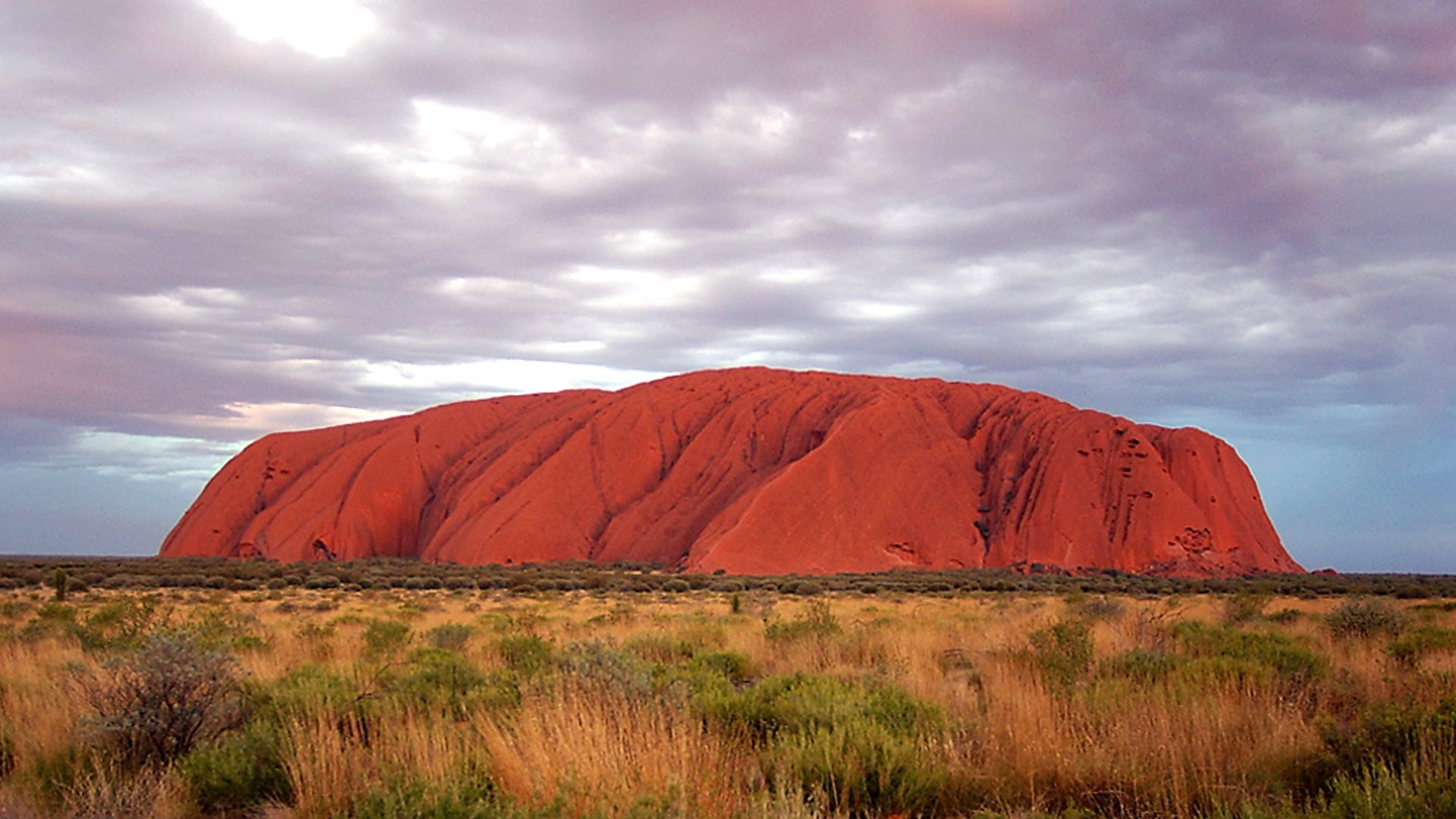
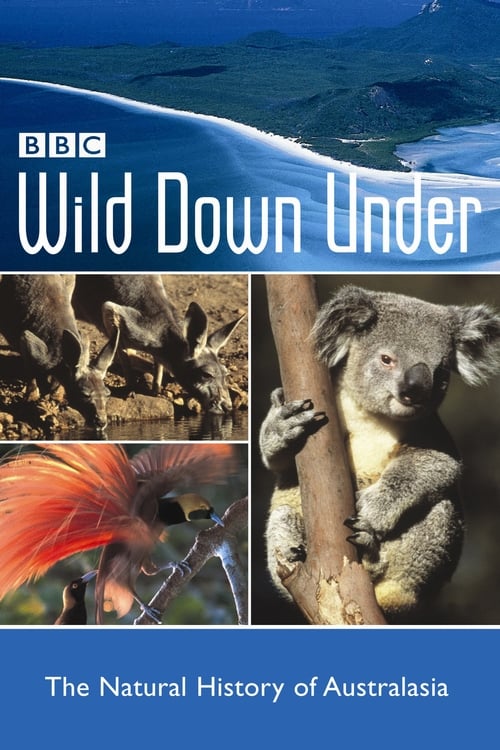
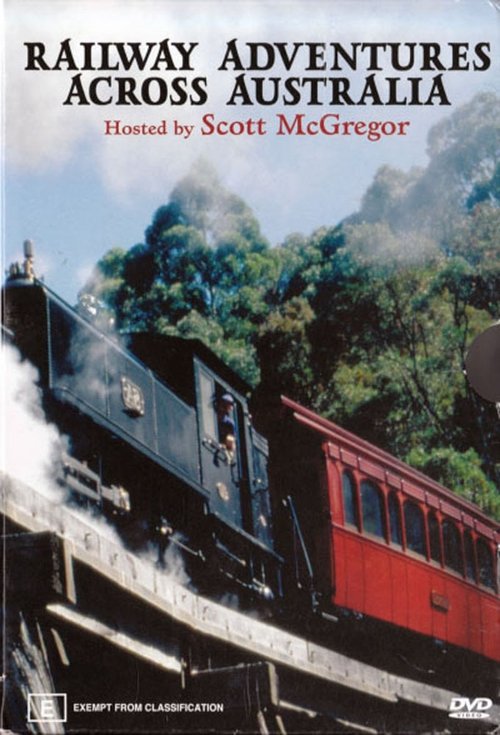
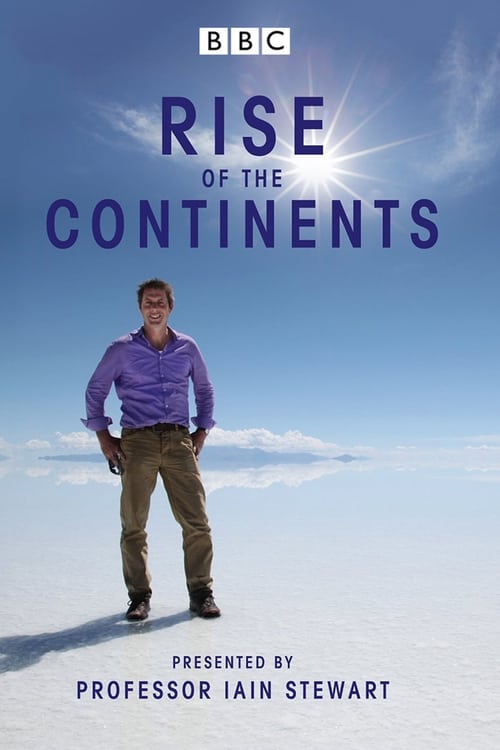
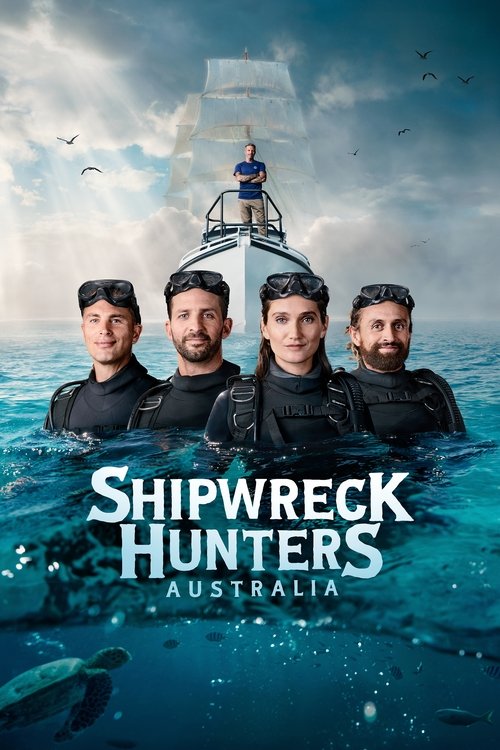
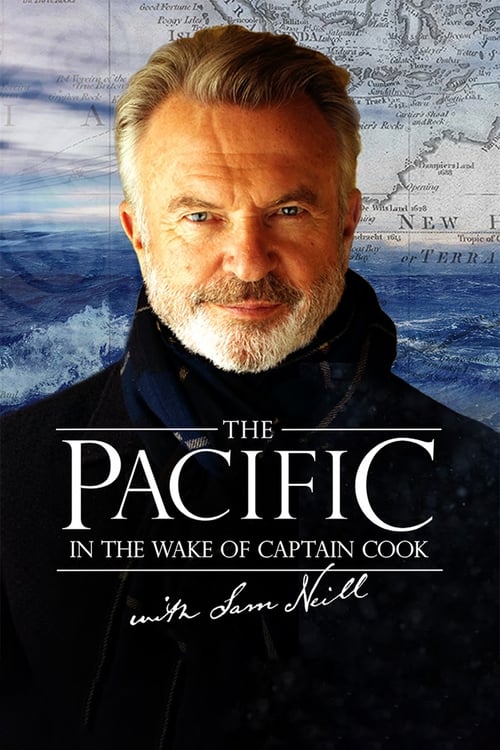
Wild Down Under★ 9.020031 season~50mEndedDocumentarySeries exploring the wildlife and landscape of Australia.Watch NowNetworkABC TV, BBC TwoLanguageFrench, GermanEpisodesSeason 1E1Wild Down UnderThe first episode provides an overview of Australia's natural history. Tasmania gives a glimpse of Australia's lush forests of the past. A group of Tasmanian devils are filmed squabbling over a wallaby carcass. In eastern Australia, buckling formed the Australian Alps, high enough to attract snowfall. Wombats bulldoze the snow to reach buried grass and platypus hunt shrimp in the mountain streams. In the ancient tropical rainforest of the Top End, cassowaries, striped possums and sugar gliders are filmed. Kangaroos and koalas inhabit the more open eucalpyt woodlands, and kookaburras feed their chicks in the nest hole. As Australia dried out, many rivers became intermittent or turned to creeks. Billabongs attract wildlife such as flocks of corella parrots, a sign of water to early explorers.They are curious, sociable birds, and are shown playing on branches and investigating the nest holes of budgerigars. In north Australia's wet season, the tropical wetlands of Kakadu attract millions of magpie geese and other water birds. When the land begins to dry out again, freshwater crocodiles must move to avoid being trapped in shrinking pools. Aerial photography is used to show features of Australia's deserts, such as parallel dunes and Uluru. A planigale hides from a taipan, the world's deadliest snake, and a sand goanna digs out a scorpion. The Great Barrier Reef was formed 10,000 years ago as sea levels rose. At certain tides after a full moon, its corals engage in the planet's greatest synchronised spawning event.2003-09-12· 50mE2Desert HeartThe second programme examines the deserts of Australia's interior. These harsh environments make up two thirds of the land area. Vast areas support nothing but tough spinifex grass, indigestible to most herbivores. Instead, termites are the grazers of these grasslands. Inside the termite mound, a whole ecosystem flourishes; centipedes eat the termites and knob-tailed geckos prey on both. Lizards are one of the most successful animals in Australia's deserts, and a thorny devil is shown waiting alongside a pathway of ants. Mammals here are nocturnal, staying underground during the heat of the day. Those featured include bilbies and malas. Waterholes attract huge numbers of birds, and zebra finches are shown being preyed on by a falcon. Nearby, black-footed rock wallabies hop around on the precipitous rock faces. The Finke River is an important water source in central Australia and red-tailed black cockatoos gather here in large flocks to breed. Camels were originally brought over for transport, but now half a million roam the desert. Meat ants and aggressive bulldog ants are shown hunting and scavenging on the desert floor. The Simpson Desert has the largest expanse of parallel sand dunes in the world, but red kangaroos survive even here. Once thought to be an inland sea, Lake Eyre is normally an inhospitable salt pan. Every 30 years or so, exceptional rains charge rivers which flow inland, filling the lake. The waters trigger a rush to breed, attracting birds such as pelicans in their thousands.2003-09-19· 50mE3Southern SeasThe third instalment features the wildlife of Australasia's seas and coasts. On Western Australia's desert coastline, seas are lifeless apart from a few fertile pockets. Whale sharks feed close to shore at Ningaloo Reef. At Shark Bay, sharks and dogtooth tuna pin a sardine shoal to the shore, filmed from the air and underwater. A pair of Bryde's whales joins the feeding frenzy. Shallow, sandy bays are ideal conditions for seagrass, browsed by dugongs. In north Australia, monsoon rains flush rich sediment into the ocean. At low tide, golden ghost crabs and mudskippers emerge to feed on the exposed worms, snails and shellfish. The Leeuwin Current brings warm water to the south coast. Australian sea lions and southern right whales raise their young in the impoverished waters of the Great Australian Bight, while giant cuttlefish gather in the breeding season. The cold Southern Ocean skirts Australia's remote south west tip, where the seas are home to giant kelp forests and strange creatures. The leafy sea dragon is camouflaged as seaweed, while the handfish uses its fins to walk across the seabed. At night, female lobsters climb to high points on the reef to release their brood of larvae. In New Zealand's cold and nutrient-rich waters, gannets are filmed plunge-diving into a sardine shoal, which also attracts common dolphins. Hector's dolphins stay close to shore to avoid sharks. Snares Islands penguins must negotiate a steep granite rockface and patrolling Hooker's sealions to reach their nest burrows.2003-09-26· 50mE4Gum Tree CountryAustralia's eucalypt forests are the subject of the fourth programme. In the tropical north, male frilled lizards fight over territory, but retreat to the trees as a kite passes overhead. Gang-gang cockatoos stay above the snowline of the southern mountains to feed on the seed capsules of snow gums. On the misty lower slopes, better soils enable the mountain ash to reach 100 metres, the tallest hardwood in the world. Animals of these forests include superb lyrebirds, Leadbeater's possums and mountain brushtail possums. Some gum trees survive in the arid conditions of the interior; the ghost gum even clings to rocky gorges. The eucalypts provide essential resources for wildlife. Their flowers attract nectar feeders such as lorikeets, honeyeaters and flying foxes, which also act as pollinators. The koala has a special digestive system which enables it to stomach the toxic leaves. Yellow-bellied gliders are shown licking sap and sailing between trees, while termites attack the trees themselves. Gum trees are highly flammable and are adapted to cope with bushfires: fresh shoots grow from buds protected by the insulating bark within weeks of a blaze. Regent parrots nest deep inside the river red gums along the Murray River to avoid predatory lace monitors. The boughs can drop without warning, and those that fall into the river provide shelter for Murray cod. The final scenes show red kangaroos bounding through a flooded forest – without periodic floods, the trees would not survive.2003-10-03· 50mE5Island ArksThis episode begins at Kakadu, a seasonal wetland and representative of the swamps that once stretched from north Australia to New Guinea. The lush tropical forests of New Guinea are home to creatures such as long-beaked echidnas, tree kangaroos and 38 kinds of bird of paradise, as well as richly varied human cultures. Male Raggiana birds of paradise are filmed displaying at a lek and mating. Further east, the submerged tips of extinct volcanoes support colourful reefs. Pygmy seahorses and razorfish use camouflage to avoid detection. Saltwater crocodiles can swim great distances, enabling them to colonise remote volcanic islands. No terrestrial mammals have made it this far, but fruit-eating bats such as the tube-nosed species feast on figs. On Lord Howe Island, the aerial displays of male tropicbirds are filmed, and adult sooty terns regurgitate meals for their chicks. New Caledonia is a remnant of the Australian land mass which broke away 80 million years ago. It has many unique species, especially lizards: the giant gecko is the largest of its kind. New Zealand lies on the edge of the continental land mass, and marine life drawn to its nutrient-rich seas include sperm whales and acrobatic dusky dolphins. On land, keas have colonised the Southern Alps and in the forests, kiwis and wetas occupy ecological niches normally associated with mammals. Introduced species have decimated the native fauna, but many species survive on offshore islands. The kakapo, tui, kaka, Fiordland penguin and sooty shearwater are all shown.2003-10-10· 50mE6New WorldsThe final instalment explores man's impact on Australia's wildlife. The arrival of Europeans brought huge changes. Some creatures have benefited - golf courses provide perfect browse for kangaroos and a landfill site is an important feeding ground for ibises – but many have suffered. Early homesick colonisers tried to model the landscape on the English countryside, bringing with them animals which have since wreaked havoc. Millions of wild pigs now roam, destroying vegetation, damaging waterholes and eating birds' eggs. Rabbits, camels and cane toads were also introduced and are out of control. European honeybees are supplanting native bees in the competition for nectar, and foxes prey on small marsupials. 54 native frogs, birds and mammals, including the Tasmanian tiger, have become extinct. Some which were presumed extinct have since been rediscovered, including Australia's rarest mammal, Gilbert's potoroo. Scientists are still searching for the night parrot after a single dead specimen was reported in 1990, but the great desert skink, familiar to Aborigines, is more widespread than previously thought. On Barrow Island, rare fauna including golden bandicoots and burrowing bettongs live amongst the oil wells, and a perentie drinks from a dripping air-conditioning unit. On Tasmania, devils and tiger quolls are filmed scavenging food in a sheep farmer's shed. Modern cities can also be a refuge for wildlife. 30,000 grey-headed flying foxes roost in Melbourne’s botanical gardens and feed on orchard fruit nearby, while paying tourists feed wild rainbow lorikeets in a Brisbane park.2003-10-17· 50mTop CastMatt DayNarrator📺More Like This‹›★6.3TVZoologist Jack Randall journeys into Australia's Outback to encounter extraordinary wildlife.Out There with Jack Randall2019TVThey know how to kill and how to cure. Inside a hospital, at home, or maybe even next door. They are trained to save lives but also know how to take them. Delve into the stories of killers who broke the Hippocratic Oath to use their medical knowledge for murder, taking the lives of often vulnerable victims instead of caring for them.Murder by Medic2024★10.0TVRailway adventures across Australia follows the exploits of Scott McGregor on his quest to find the famous, unusual and unique trains and stories at the end of the line.Railway Adventures Across Australia—TVCoverage of the annual Sydney Gay and Lesbian Mardi Gras.Sydney Gay and Lesbian Mardi Gras1994★7.9TVThe Earth’s continents are instantly recognizable. These iconic landmasses seem permanent and unchanging, yet they are merely the wreckage of a much larger long-lost supercontinent – Pangaea. In this stunning four part series Professor Iain Stewart uncovers the evidence for this ancient past. He reveals how the world around us is full of clues – in the rocks, the landscapes and even the animals. All of which tell us how the land we live on was created.Rise of the Continents2013TVTells the inside story of the challenges the Lebanese Australian community has faced in Australia and how they have fought to overcome them. This landmark documentary series hears from community leaders, police, families and individuals, as they combine to tell the compelling and dramatic story of a proud and resilient community, under intense pressure and scrutiny. The story begins in the 1970s when large numbers of Lebanese migrants flooded into Australia. Many were Muslim, most were traumatised by civil war, all were desperate to build a better future. Over the coming decades, these new Australians struggled to establish a new life in their adopted country.Once Upon a Time in Punchbowl2014★7.3TVA unique team of adventurous divers and underwater filmmakers are joined by expert maritime archaeologists on the hunt for long-lost shipwreck secrets along the vast coast of Western Australia. Led by an obsessed pirate captain, the missions combine new evidence and archival research in an all-out adventure into the mysterious past in one of the most stunning places on Earth.Shipwreck Hunters Australia2022★7.0TVHistory is taking to the seas and walking in the footsteps of Captain James Cook. 250 years after Cook began his epic exploration of the Pacific, Sam Neill (Jurassic Park, The Piano) journeys in his wake uncovering stories that resonate from those times on both sides of the beach. Sam begins with a disclaimer – he is merely an actor – but the story of Cook, and the impact he has had on the Pacific in the 250 years since his first voyage, has always fascinated him.The Pacific: In The Wake of Captain Cook2018TVThe ABC Of... an interview series, revisits the pasts of famous Australians delving deep to uncover hidden archival gems, exploring how they changed Australia and how Australia changed them.The ABC Of2022TVNo description available.Constructing Australia2007TVLong-running travel programmeAdventure1963★7.2TVThis is the inspirational and intimate behind-the-scenes story of the Matildas - Australia's women's national football team working towards the World Cup on home soil. We follow the players on and off the field as they inspire the next generation.Matildas: The World at Our Feet2023★6.7TVCoast Australia follows renowned Scottish archaeologist and historian Neil Oliver on his very first trip to Australia, as he and a diverse group of co-hosts gather stories about our spectacular coastline: the history, the people, the archaeology, the geography and the marine life, investigating interesting and little known facts along the way. Oliver’s co-hosts, all experts in their field, are journalist and Australian arts and culture specialist Miriam Corowa, environmentalist Professor Tim Flannery, marine scientist Dr Emma Johnston, anthropologist Dr Xanthe Mallett and television presenter and landscape architect Brendan Moar.Coast Australia2013★2.0TVOne of Australia's favourite comedians Judith Lucy, is out to discover where women are at in modern Australia and what it means to men - talking to people from all walks of life from all over the country.Judith Lucy Is All Woman2015★6.3TVAustralia: The Story of Us is an extraordinary journey through the people, places and events that have shaped Australia, from the first footprints on our continent to the present day. Astounding visual sequences, amazing CGI and dramatic re-enactments bring these stories to life and show how we came to be the country we are today.Australia: The Story of Us2015★3.5TVFollow the work of Gold Coast police officers from the newly created Rapid Action & Patrols Group (RAP). The elite taskforce is responsible for policing everything from bikie gangs and street violence to drug heists and organised crime.Gold Coast Cops2014← Back to TV shows